
Who Owns the Future?
Interesting shifts happening across AI, space, money, and even what you actually own online.

Claude Science App Gives Scientists a Real AI Workspace
Anthropic just dropped Claude Science, a new desktop app built specifically for researchers and scientists. It turns the usual AI chatbot into a full workspace where you can analyze papers, run multi-step experiments, build figures, and even draft manuscripts.
The app comes loaded with over 60 scientific databases and handles stuff like 3D protein structures, genome tracks, and chemical diagrams right inside it. Every output shows the exact code and steps behind it, so nothing feels like a black box. You can trace back how it gets to the results, which matters a lot when you’re doing serious work.
It’s in beta now on macOS and Linux for Claude Pro, Max, Team, and Enterprise users. No Windows version yet. Anthropic is also giving away up to $30,000 in credits for up to 50 research projects, especially in biomedical fields. Applications close soon.
Big Players Team Up on a New Global Stablecoin

Visa, Mastercard, Coinbase, and over 140 other companies launched something called Open Standard. They’re putting out a new U.S. dollar-pegged stablecoin called Open USD later this year.
The goal is to make stablecoins easier for businesses to use at big scale. No fees or limits on minting and redeeming, plus they share earnings from the reserves (after some costs). It aims to be open, low-cost, and neutral so more companies actually adopt it for payments instead of just crypto trading.
This comes after the U.S. passed the GENIUS Act last year to set rules for stablecoins. The hope is it helps digital money become more everyday, but right now most stablecoin use is still inside crypto markets.
It’s interesting because big traditional finance names are getting deeper into crypto. Could make moving money across borders simpler and cheaper. But there are always risks with anything tied to dollars and reserves. We’ll see if it actually catches on outside trading.
Sony Deleting Hundreds of Movies and Shows You “Bought”

Sony is removing 551 movies and TV shows from PlayStation libraries in the UK starting September 1. That includes stuff you paid for, like John Wick, Terminator 2, Paddington, and Apocalypse Now. No refunds mentioned.
The reason? Licensing deal with Studio Canal expired. This isn’t new, Sony has done similar purges before in other countries and with other content. It highlights the big issue with digital purchases: you don’t really own them. You’re just licensing access, and companies can pull it anytime.
People are annoyed, and it restarts talks about what “buying” digital stuff actually means. Same problems show up with games when servers shut down too.
Here’s the thing: it’s convenient to have everything in one library, but this reminds you it’s not forever. Physical copies or other platforms might feel safer for stuff you really want to keep.
NASA and SBA Team Up to Boost U.S. Space Industry
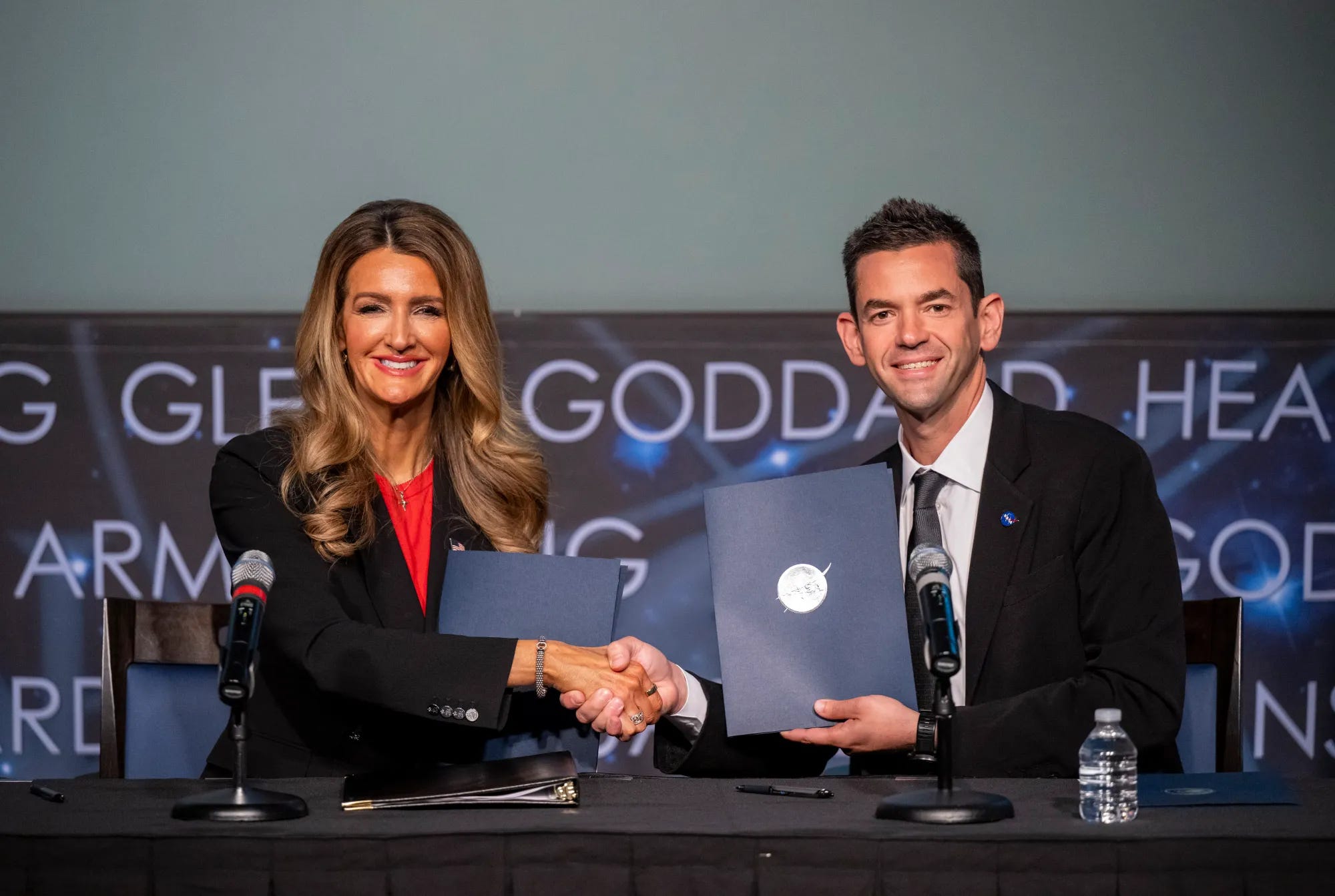
NASA and the Small Business Administration announced a new SBIC-NASA Initiative to help small businesses in the space sector get funding. It focuses on technologies needed for Moon and Mars missions.
NASA will point out key areas like energy storage, nuclear propulsion, advanced materials, biomedical tech, and launch infrastructure. The SBA will help match those with investment funds that put most of their money into those priorities.
The idea is to strengthen supply chains and make the U.S. space economy stronger and faster. It ties into bigger goals for American leadership in space.
This could help more small companies scale up instead of struggling for cash. Space tech needs a solid industrial base. It shows how government agencies are trying to work together to support innovation where it matters for long-term exploration.
The Fight Over 6 GHz Spectrum for Wi-Fi and 6G

There’s a big battle happening over the 6 GHz band of radio waves. Both Wi-Fi (for fast home and device connections) and cellular companies (pushing toward 6G) want it.
The U.S. gave the whole band to unlicensed Wi-Fi use. China gave it all to licensed mobile. Europe and others are trying splits or sharing models, which could cause compatibility headaches and higher costs for devices.
Wi-Fi folks say it drives huge economic value and handles most internet traffic, especially with AI coming. Mobile side wants it for better 6G coverage and growth. Decisions in places like India, UK, and EU will shape what future gadgets can do globally.
This matters because bad choices could slow down fast wireless tech we all rely on. It’s a classic case of different industries and countries having competing needs for the same limited resource.
Trump Admin Lifts Restrictions on Anthropic’s Top AI Models
The U.S. dropped export restrictions on Anthropic’s Mythos and Fable models. These are some of the most advanced AIs out there. Access should come back soon.
Earlier rules made it hard to offer them publicly because of export controls, so Anthropic pulled them. Now, after talks, the company agreed to extra security steps and reporting. This happened partly because other countries’ AI companies were catching up fast.
It points to the messy side of AI policy right now, balancing security, competition, and innovation. The back-and-forth leaves companies unsure about future rules.