
When Web Infrastructure Wobbles & Waste Becomes Gold

Looking at everything we going to dig through today, you can’t help but notice how wild and unpredictable the tech world really is. On one end, you’ve got the internet wobbling because one configuration file decided to have a meltdown, reminding us that even the biggest digital giants are one bad update away from chaos. Then you shift over to the AI space, where companies are throwing massive investments into tools they hope will define the future, sometimes successfully, sometimes… well, not quite. Meanwhile, AI is also stepping into deeply human spaces, creating digital “versions” of people we’ve lost, raising those big emotional and ethical questions we all pretend we’re ready for
.
Jump from that to space, where our supposedly ultra-precise spy satellites are firing signals in strange directions, proving that even the coolest tech can act like it missed its morning coffee. And just when you think the week is all glitches and confusion, a brilliant student comes along and turns fishing waste into biodegradable plastic. Suddenly, the future looks hopeful again.
All these stories tie together in one message: tech isn’t just machines and data, it’s creativity, mistakes, ethics, ambition, and the urge to build something better. Some breakthroughs push boundaries, some break things by accident, and some remind us that the next big idea might come from something nobody valued. It’s messy, it’s exciting, it’s chaotic, and honestly? It’s exactly why we love covering this space.
How a Single File Brought Down the Internet

Imagine waking up and discovering that your favorite apps—Cloudflare’s services, X (formerly Twitter), ChatGPT—are all unreachable. That’s exactly what happened when Cloudflare reported that a malfunctioning configuration file triggered a systemic crash across major web infrastructure. The hiccup wasn’t caused by hackers or a massive DDoS attack, but by an internal mis-step: a file that managed threat traffic ballooned in size and overloaded the system. The ripple effects? Websites displayed error codes, traffic stalled, and the incident laid bare how deeply we rely on behind-the-scenes web layers. For technologists, it’s a sharp reminder that even the most hardened internet backbone can falter on tiny glitches. For everyone else, it’s proof that our online comforts lean on some very delicate mechanics.
Why Oracle Corporation’s $300 Billion AI Bet Might Be Sinking
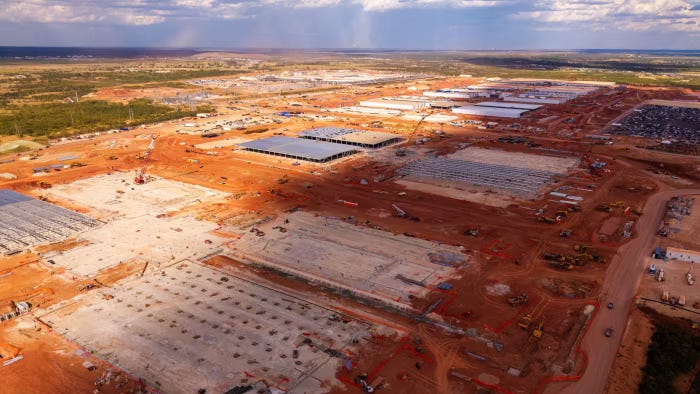
Big numbers, big questions. Oracle’s jaw-dropping deal—$300 billion—to deepen its tie with OpenAI sounded like a future-proof move. But now that bet is looking underwater. The company’s market value has slid significantly since the deal was announced, and analysts are starting to wonder: did Oracle pay too much, too early for the AI wave? The story unpacks how hype in the AI sector still has blind spots—enterprise scale, real-world monetisation, and balancing risk vs reward. For tech watchers (and high-school readers curious about “who’s winning the AI race”), the takeaway is simple: growth stories need substance, and big checks don’t guarantee big wins.
Hey-Gram, Are You There?: The App That Lets You Chat with Avatars of the Departed

The future of grief? An app called 2wai lets users create AI-avatars of loved ones who’ve passed away—just upload a few minutes of video and you’re chatting. The app’s promotional video went viral, and critics were quick to compare it to the eerie world of Black Mirror. On one hand, it offers a way to preserve memory and keep voices alive. On the other, it raises huge questions: consent, emotional dependency, mental health, and whether simulated relationships are healthy. For high-school readers, it’s a window into how AI is not just about robots or chatbots—it’s about human identity, memory, and what we do with loss.
Satellites Gone Sideways: How Spy Tech Built by SpaceX Is Sending Its Signals in the Wrong Direction
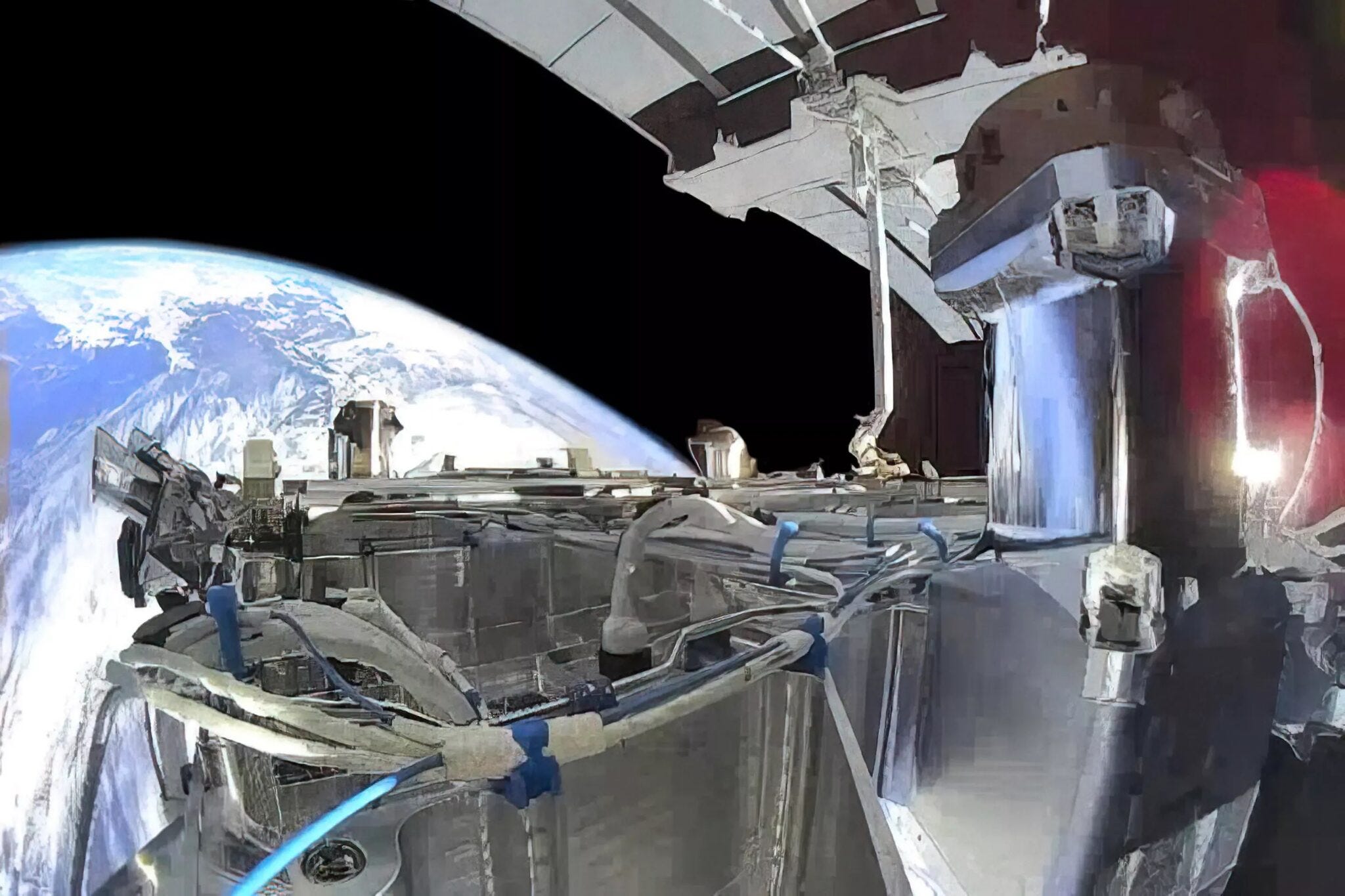
pace tech is glamorous, but sometimes the details are messy. A batch of U.S. spy satellites built by SpaceX under the National Reconnaissance Office mission is reportedly transmitting on the wrong frequencies or pointing their signals in unexpected directions. The issue? Non-interference rules and international coordination mean you can’t just “do your own thing” in space. The implications are serious: if the tech meant for intelligence gathering misfires, then national security, regulatory compliance and space-traffic management all get messy. For readers of TrekTech Weekly, it’s a reminder that even the most advanced launches can stumble on fundamentals like spectrum and alignment.
From Fish Scales to Grocery Bags: How a Student’s Trash Idea is Rewriting Plastics

At Massachusetts Institute of Technology, a senior named Jacqueline Prawira took what most people throw away—fish-industry waste—and turned it into a biodegradable plastic-look material. The film she developed is thin, strong, flexible, and dissolves naturally in composting settings. With plastic pollution looming (by 2050, plastics may outweigh fish in the ocean), her innovation hits at both waste reuse and sustainable materials. For high-school readers, it’s a story of seeing value in what we discard, of materials science meeting environmental urgency—and a signal that future inventors may find their breakthroughs in unexpected places.
Signing off… until next week.