
Verify Your Skills, Question Your Privacy

Covering tech this week felt like watching the future argue with itself in real time. On the surface, everything looks impressive: AI investments hitting absurd numbers, governments building their own platforms, professional networks turning skills into verified credentials, and telescopes capturing images so beautiful they stop you mid-scroll. But just beneath that shine is something more interesting — a quiet tension about control.
There’s a sense that technology has crossed a line from being helpful to being infrastructural. It’s no longer just apps and gadgets; it’s the systems that decide how we communicate, how secure our data really is, and even how we prove we’re competent humans in the workforce. What stood out most wasn’t innovation itself, but how comfortable the industry has become with trade-offs. Privacy for convenience. Billions spent today for a promise tomorrow. Autonomy exchanged for scale.
At the same time, I couldn’t help feeling a strange optimism. Even with all the missteps and money burns, the ambition is still there. Companies are betting big, governments are waking up, and science continues to deliver moments of awe that remind us why exploration matters at all.
This week didn’t feel like tech spiraling out of control. It felt like tech growing up, awkward, expensive, and forcing everyone to ask harder questions. And honestly, that’s a conversation worth having.
France Swaps Big Tech for Homegrown Tech

Imagine a country deciding they’ve had enough of Zoom and Microsoft Teams. That’s exactly what France is doing by launching Glowbl, a sovereign video-conferencing platform designed to keep their data under their own roof. Instead of relying on American tech giants, the French government is pushing for digital independence to ensure sensitive conversations stay private and secure. It’s a bold move that highlights a growing trend of digital nationalism, where countries want more control over the software their officials use every day. By building their own tools, they’re avoiding potential foreign surveillance and keeping their tech ecosystem locally fueled. It’s a massive shift in how we think about cloud security and national pride in the digital age.
A Cosmic Glow-Up from Deep Space

The James Webb Space Telescope just dropped some new “vacation photos,” and they are absolutely mind-blowing. Scientists pointed the world’s most powerful eye at the Ring Nebula, and the level of detail is next-level. We’re seeing intricate filament structures and glowing gas clouds that were totally invisible to older telescopes like Hubble. These images aren’t just eye candy; they help astronomers understand the lifecycle of stars and what happens when a star like our Sun eventually runs out of fuel. It’s a high-definition look at the messy, beautiful death of a star, proving once again that our universe is way more complex than we ever imagined.
The Skeleton Key in Microsoft’s Closet
Ever felt safe knowing your laptop was BitLocker encrypted? Well, things just got a bit more complicated. Reports show that Microsoft has been providing the FBI with access to recovery keys for encrypted data. While this is meant to help catch the “bad guys,” it raises huge questions about personal privacy and whether your data is ever truly “locked.” If a company holds the master key to your digital life, the wall between your private files and government eyes becomes a lot thinner. It’s a major wake-up call for anyone who values cybersecurity and wants to know where the line is drawn between law enforcement and individual rights.
Tesla’s Hard Pivot into the Matrix

Elon Musk is officially moving Tesla away from being just a car company. Instead of focusing solely on selling more Electric Vehicles, the brand is betting the entire farm on a high-stakes AI future. We’re talking about Optimus robots, Full Self-Driving breakthroughs, and massive neural networks. This pivot suggests that the future of transportation isn’t just about batteries; it’s about autonomous intelligence. It’s a risky gamble that could either make Tesla the most important robotics company on Earth or leave them in the dust if the AI hype doesn’t meet the reality of the road.
Meta’s Multi-Billion Dollar Reality Check
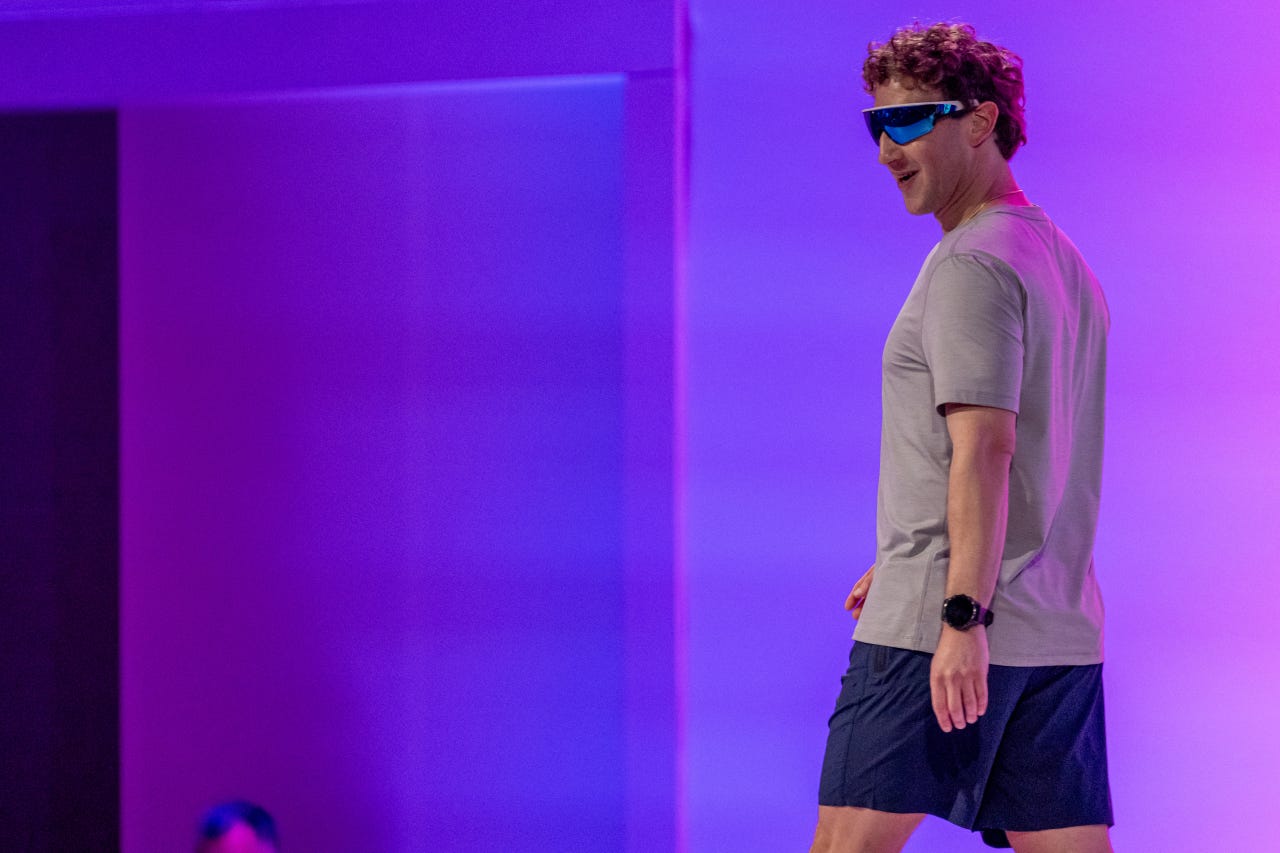
Mark Zuckerberg is still obsessed with the Metaverse, but it’s costing a literal fortune. Meta burned through a staggering $19 billion on Virtual Reality projects last year, and the forecast for 2026 looks just as expensive. Despite the massive spending, VR adoption is still struggling to hit the mainstream. It’s a fascinating look at how a tech titan is willing to lose unthinkable amounts of money to build a digital frontier that might not even be ready for us yet. Whether this is a genius long game or a historic financial sinkhole remains to be seen, but for now, the headsets are staying pricey and the losses are staying heavy.
Flexing Your Vibe-Coding Skills
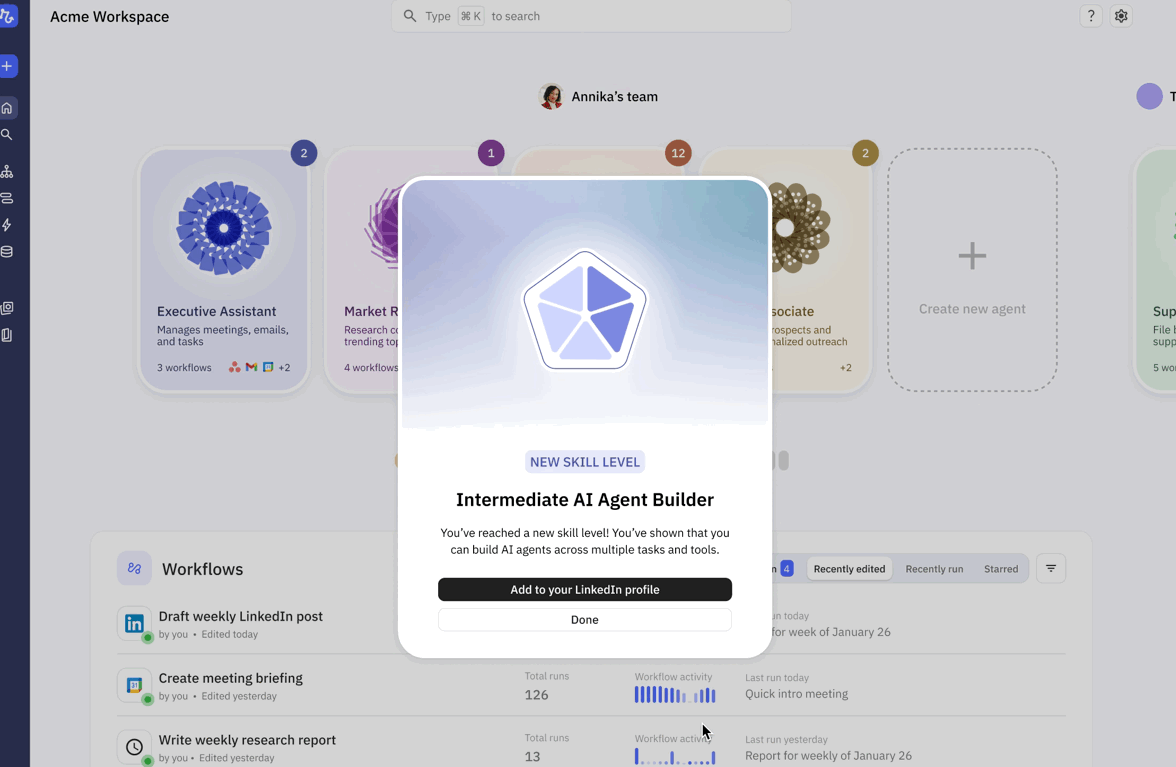
LinkedIn is getting a bit “vibey” lately. The professional networking site is introducing ways for developers to showcase their vibe-coding expertise. If you’ve never heard the term, it’s all about using AI tools and natural language to build apps based on the “vibe” or flow of a project rather than just grinding out manual syntax. It’s a shift toward creative problem-solving over traditional rote memorization. This update shows that even the most serious professional platforms are acknowledging that AI-assisted coding is the new standard, and being able to “direct” an AI is becoming a highly marketable skill.
Here’s to choosing sleep over scrolls, healing over hype, and kids over clicks.
May we keep steering tech toward what makes us more human, not less.
See you next week.