
Tiny Tech, Massive Impact
Future-Proofed: From Ice-Cold Solar to AI-Free Wiki

Hey and welcome to this week’s Weekly.
There’s a bunch of fresh ideas around energy and communication — things like smaller reactors, solar-powered cooling systems, and new ways to send signals through solid rock. They show how engineers are getting creative with practical solutions that could make clean power and rescue situations a lot better for everyday people.
These pieces touch on important limits and choices we need to make with tech. Facial recognition messing up, the push from quantum computers on encryption, and Wikipedia’s decision to keep AI out of article writing all highlight how powerful tools still need careful human oversight to stay accurate and fair.
I love seeing it when innovation and responsibility show up together. We’re seeing real potential to improve daily life and solve tough problems, while also getting reminders that keeping tech trustworthy matters just as much as making it smarter.
Overall, these stories give a good picture of where tech is heading — exciting advances mixed with the need to guide them thoughtfully.
Let’s jump in.
Small Reactors, Big Energy Shift
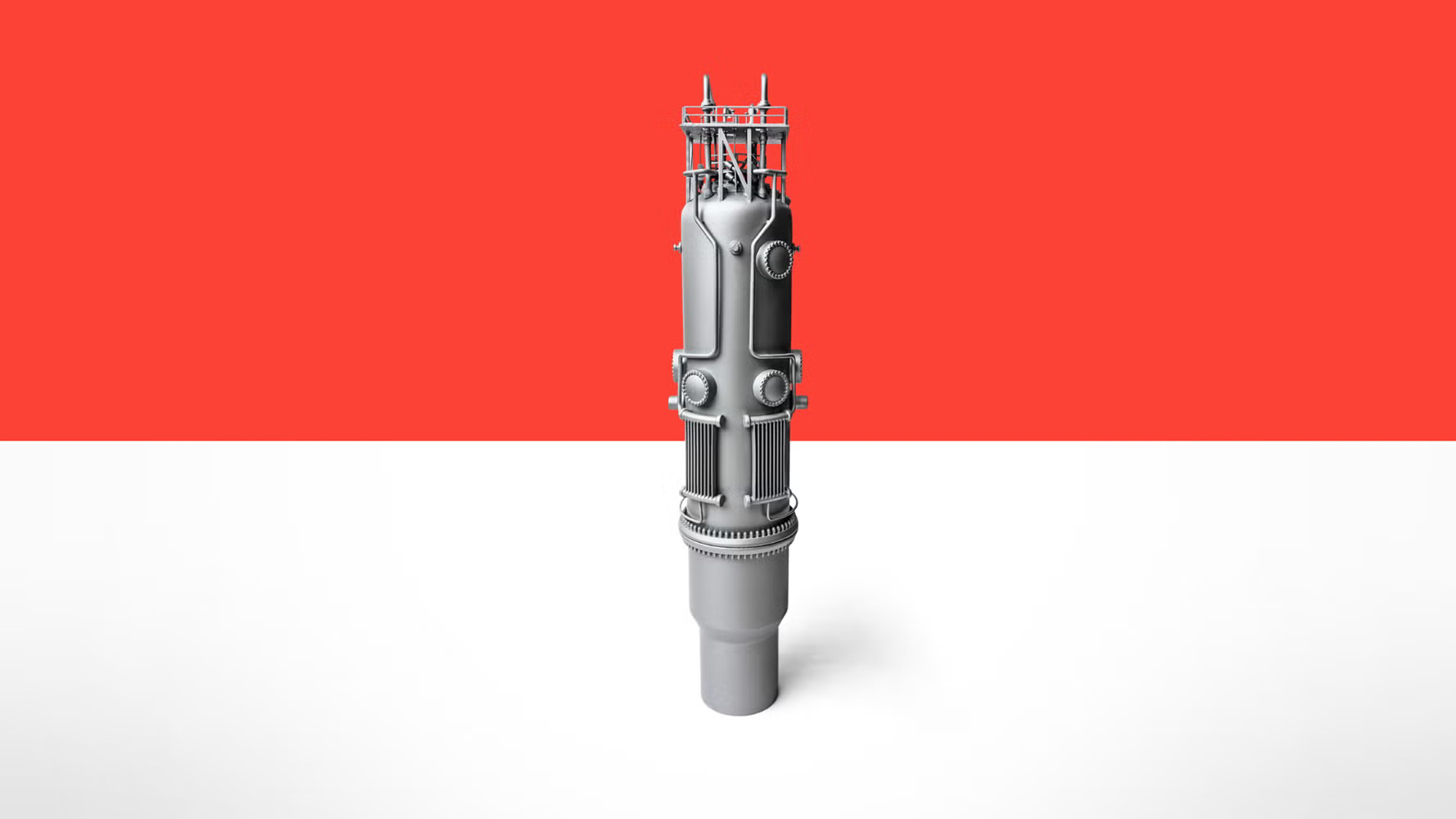
There’s something quietly powerful happening in the energy space right now, and it’s coming in the form of tiny nuclear reactors. These microreactors are designed to be portable, efficient, and scalable, which means they can bring reliable power to places that traditional grids struggle to reach. Think remote towns, disaster zones, or even military bases where energy stability is critical.
What makes this exciting is the shift toward cleaner, low-carbon energy without the massive infrastructure of traditional nuclear plants. These systems are built with advanced safety features, often requiring less maintenance and offering longer operational lifespans. That’s a big deal in a world trying to balance energy demand with climate responsibility.
It’s not just about innovation for the sake of it. This feels like a practical step toward decentralized energy, where power is generated closer to where it’s actually used. Less loss, more resilience.
If this scales the way experts hope, we could be looking at a future where energy becomes more accessible, reliable, and sustainable across the globe.
When Facial Recognition Gets It Wrong

Facial recognition technology has been pitched as a game-changer for security, but the cracks are becoming harder to ignore. Real-world cases are showing how AI misidentification can lead to serious consequences, especially when systems are used in law enforcement.
The biggest issue? Bias and accuracy gaps. These systems often perform unevenly across different demographics, leading to higher error rates for certain groups. That’s not just a technical flaw, it’s a social risk.
What stands out is how quickly this tech has been adopted compared to how slowly regulation and oversight have developed. There’s a growing tension between innovation and accountability, and right now, it feels like the tech is moving faster than the safeguards.
At its best, this technology could improve safety and efficiency. At its worst, it risks reinforcing systemic inequalities under the guise of objectivity.
The real conversation isn’t just about improving the algorithms. It’s about asking whether we’re using this tech in the right places at all.
Talking Through the Ground

Imagine being trapped underground with no signal, no way to call for help. Now imagine a system that can still reach you. That’s the promise behind this new magnetic induction-based communication technology.
Unlike traditional wireless systems, which struggle to penetrate rock, soil, and debris, this method uses magnetic fields to send signals through the ground, reaching depths of up to 100 meters. That’s a huge leap for search and rescue operations, mining safety, and even underground exploration.
What makes this especially compelling is its potential in emergency scenarios, where every second matters. Communication is often the first thing lost in disasters, and this tech could flip that reality.
It’s still early days, but the concept feels incredibly grounded in real-world need. This isn’t about faster downloads or better streaming. It’s about saving lives when it matters most.
A reminder that some of the most impactful tech isn’t flashy. It’s quiet, reliable, and built for the worst-case scenario.
Cooling Without the Cost

Cooling the world is becoming one of the biggest hidden energy challenges, and this new solar-powered air conditioning system might be part of the solution. Instead of relying heavily on electricity from the grid, it taps directly into solar energy, reducing both cost and environmental impact.
What’s interesting here is the timing. As global temperatures rise, the demand for cooling is skyrocketing, especially in regions already dealing with energy constraints. Traditional AC systems only add more strain.
This approach flips the script by aligning peak cooling demand with peak sunlight availability. More heat, more sun, more cooling power. It just makes sense.
The broader implication is huge. If systems like this become widely adopted, we could significantly cut down on energy consumption and emissions tied to cooling.
It’s a simple idea with massive potential. Sometimes innovation isn’t about reinventing everything. It’s about using what we already have, just smarter.
The Countdown to Broken Encryption
There’s a growing buzz around quantum computing, and not all of it is comforting. New projections suggest that these powerful machines could start cracking modern encryption as soon as 2029.
That’s a big deal because so much of our digital world relies on encryption for security. From banking to messaging, it’s the invisible layer that keeps data safe. Quantum systems, however, operate on a completely different level, potentially solving problems that would take classical computers thousands of years.
The concern isn’t just about when it happens, but whether we’re ready. There’s a race underway to develop quantum-resistant encryption, but adoption takes time, and time might not be on our side.
Wikipedia Draws a Line on AI

In a world where AI-generated content is everywhere, Wikipedia is taking a firm stance by banning its use for writing and editing entries. The focus? Protecting accuracy, trust, and human oversight.
The concern isn’t that AI can’t write. It’s that it can confidently produce incorrect or unverifiable information, which clashes with Wikipedia’s core principle of reliable sourcing.
This move highlights a bigger tension in the digital world. As AI becomes more capable, the question isn’t just what it can do, but what it should be allowed to do.
There’s something refreshing about this decision. It reinforces the value of human knowledge, accountability, and editorial judgment in an age leaning heavily toward automation.
It doesn’t reject AI entirely, but it draws a clear boundary. And maybe that’s what we need more of right now. Not blind adoption, but intentional use.
Whether you’re here to stay informed, stay curious, or just make sense of the chaos, it means a lot to have you along for the ride.