
The Weekly Download ...

Ornith-1.0: The Coding AI That Builds Its Own Tools

Ornith just dropped a family of open-source models made specifically for agentic coding. These range from a tiny 9B version that runs on edge devices all the way up to a massive 397B MoE model. They’re built on top of Gemma 4 and Qwen 3.5, but the real twist is how they get trained.
Instead of humans writing the scaffolding that guides the AI through coding tasks, Ornith models learn to create their own scaffolds. The model first proposes a better way to structure the problem, then tries to solve it using that structure. Rewards flow back to both steps, so the model keeps improving the process itself. That feedback loop lets it discover better search paths without hand-crafted harnesses.
The big numbers are solid. The 397B version hits 77.5 on Terminal-Bench 2.1 and 82.4 on SWE-Bench Verified, beating Claude Opus 4.7 on both and topping other open models of similar size. Even the small 9B version punches way above its weight, matching or beating much larger models on the same tests.
They also tackled reward hacking. Models can sometimes cheat by hardcoding answers or reading test files, so Ornith locked down the outer environment, added a monitor that kills cheating trajectories, and used a frozen LLM judge as a final check.
This matters because coding agents are getting more real. Strong open models that improve themselves could make high-quality coding help available on phones or laptops without relying on closed systems. For students and indie developers, that opens doors.
SpaceX Rocket Stage Hits the Moon—and Sparks Debris Warnings
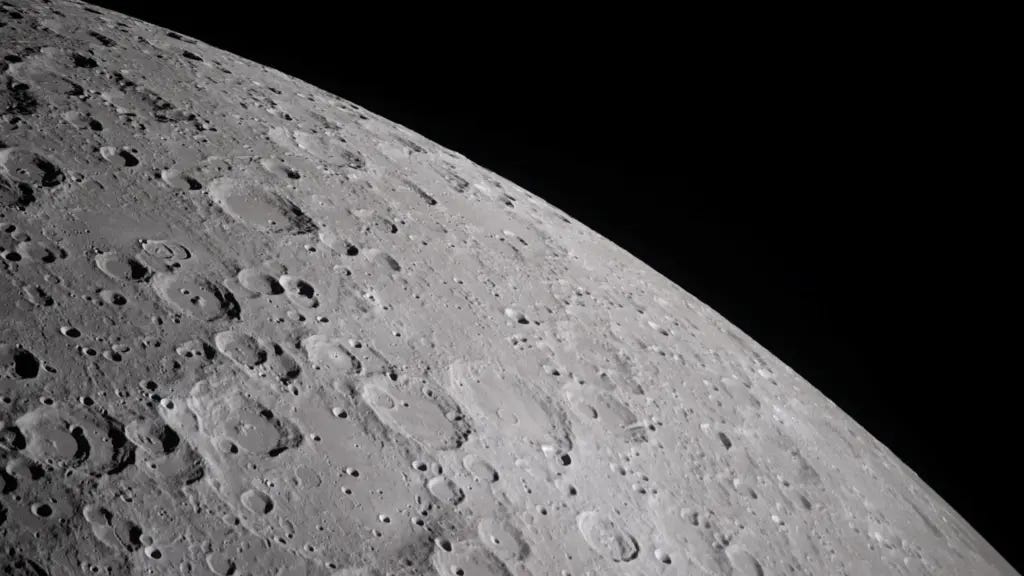
A leftover upper stage from a SpaceX Falcon 9 launched in January 2025 is believed to have smashed into the Moon around 07:35 BST. The piece is about the size of a five-storey building and weighs roughly 4,000 kg. Gravity and sunlight slowly nudged it onto a collision course after it finished sending two lunar landers on their way.
It hit near the Einstein Crater on the sunlit side, traveling about 5,400 mph. Nasa says there’s no danger to Earth, and scientists are waiting for satellite images to study any new crater. One telescope in Chile already picked up light changes at the right time.
The bigger worry is the growing pile of human-made junk in space. The Moon already has about 3,000 pieces of debris. Astronomers point out that uncontrolled crashes could one day threaten future bases, science gear, or landing sites once people start staying longer. One expert called it a red flag for the second space age. Another said tighter rules may be needed if the Moon becomes a real destination.
SpaceX is already testing ways to bring upper stages back to Earth so this happens less often. For now, the impact is a free science experiment—and a reminder that every launch leaves something behind.
Google Assistant Is Signing Off—Gemini Takes the Wheel
Starting September 4, Google Assistant stops working on phones, tablets, Wear OS watches, earbuds, and Android Auto. Only cars with Google built-in keep it longer. When you say “Hey Google” or hold the power button, Gemini will answer instead—if your device and region support it.
Assistant launched in 2016 with Allo and Google Home, then spread to Pixels and pretty much everything else. Gemini arrived after ChatGPT shook things up. Google first called it Bard, then rebranded. Newer versions like Gemini 3.5, Spark (always-on background help), and Omni (text, audio, images, video) keep pushing further.
This is the clear hand-off. Assistant was good at simple commands and smart-home control. Gemini is built for longer conversations, coding, writing, and multimodal tasks. Users who liked the old simple style will notice the change. Those who already use Gemini will barely blink.
The move shows how fast the AI helper race is moving. Voice assistants that just set timers are giving way to models that can handle more complex day-to-day work.
One Prompt, One Life Calendar: Gemini Builds a Time Tracker
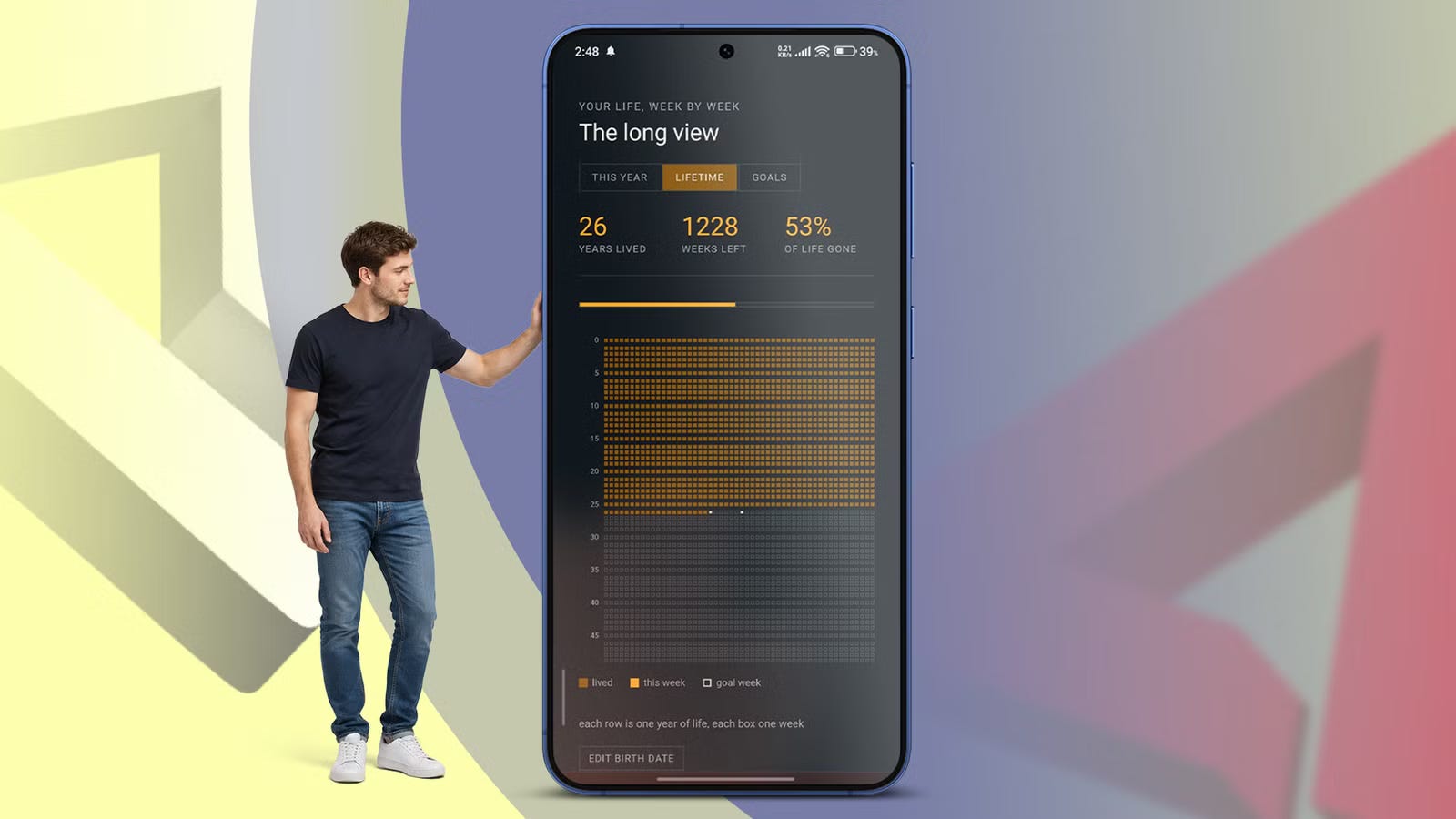
Someone asked Gemini to turn the classic paper life calendar idea into a digital tool. One prompt produced a working HTML file with three tabs: a lifetime grid of weeks, a “This Year” view, and a Goals section.
The lifetime view asks for your birth date and expected lifespan, then shades the weeks you’ve already lived and keeps filling them in. The year view shows days left and percent of the year gone, plus a progress bar. Goals let you set short- and long-term targets that highlight the matching weeks and can trigger notifications.
It was turned into a home-screen WebAPK so it feels like a real app. Data stays on the device, nothing leaves the phone. Limitations exist: uninstalling Chrome wipes the data, and notifications only fire when the tool is open or checked every 60 seconds. No cloud sync either.
Still, having the ticking percent of the year and your goals right next to social apps changes how time feels. A paper version made the idea visible. This version keeps it in front of you every day.
Texas Puts 1,800 Data Centers on Hold Over Power and Water
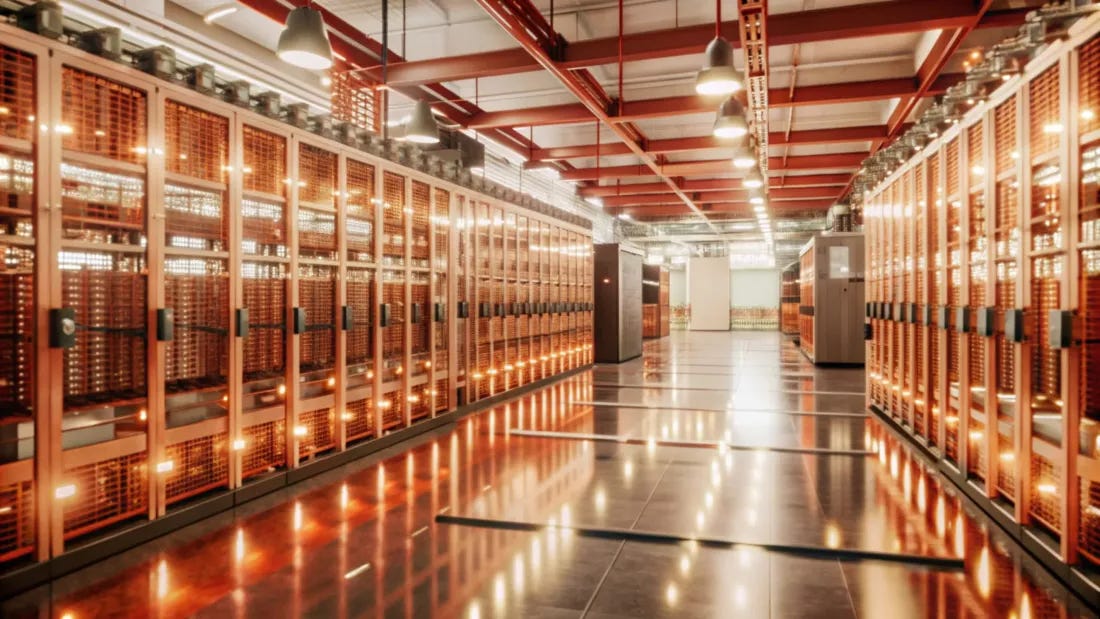
Texas Governor Greg Abbott ordered a pause on new data-center connections to the ERCOT grid. About 1,800 projects are in the queue—roughly 90 percent of them data centers. Together they want 474 gigawatts, way above the grid’s current peak demand.
Companies must now hand over details on tax breaks, power use, water and cooling plans, community impact, and ownership. Projects missing that info get denied. The move followed a survey where only 28 of 377 firms replied. Places outside ERCOT (like El Paso) and projects that bring their own power are exempt.
Critics say it’s mostly for show. One called it “all hat and no cattle.” A challenger in the governor’s race said Abbott spent months inviting data centers and this pause is too late. Supporters frame it as putting regular Texans first on power and water.
Data centers for AI need huge amounts of electricity and cooling water. When requests dwarf the existing grid, states start asking harder questions. Texas is the latest to hit the brakes while it figures out the real cost.
Thank you for joining again, I look forward to next week…