
The Real AI Gold Rush
Connecting the dots in tech

SpaceX Goes Public: The Rocket Ride Begins
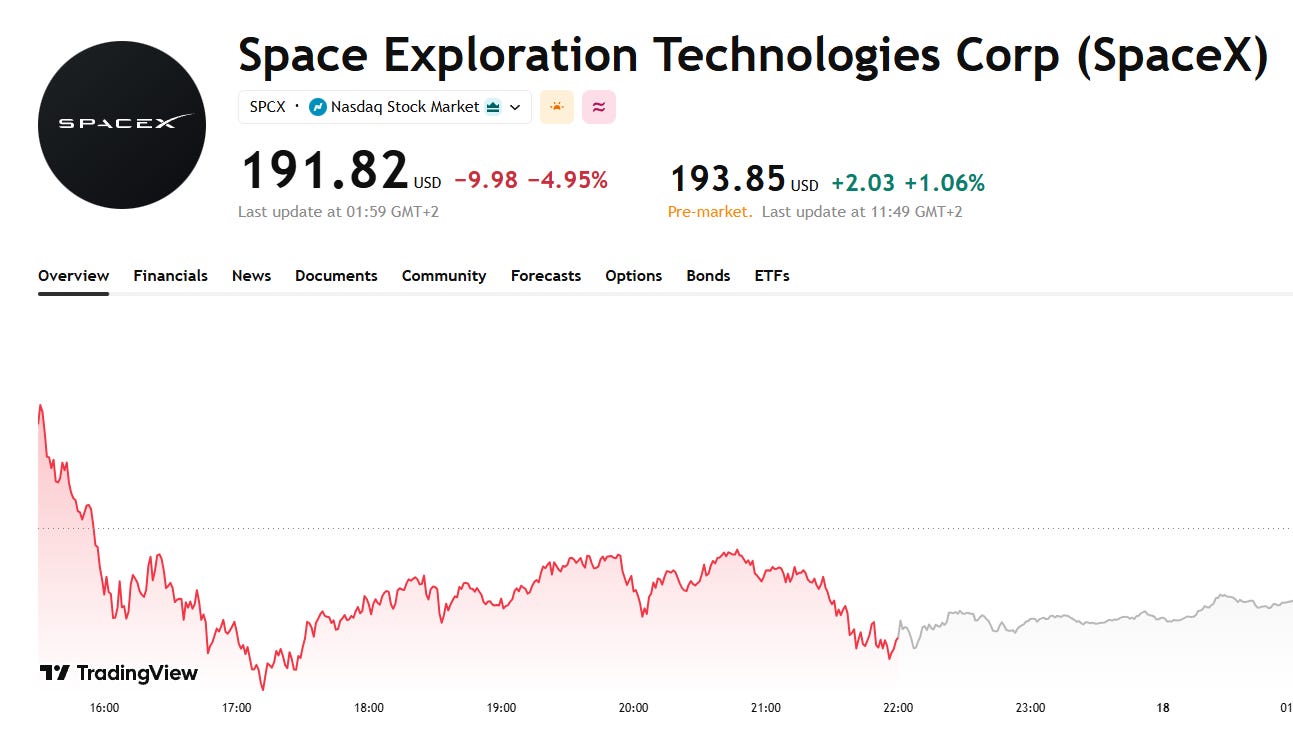
SpaceX just hit the stock market like one of its own Falcon rockets launching into orbit. Shares debuted strong after pricing at $135, quickly jumping around 50% and even briefly making the company one of the biggest in the U.S. by market cap. Right now it’s trading around $192 with a massive $2.5 trillion valuation. Elon Musk’s company isn’t just about rockets anymore, it’s building the future across space travel, satellite internet like Starlink, and even AI infrastructure with big data centers and GPU power.
They recently agreed to buy Cursor AI for a huge $60 billion in stock, showing how they’re blending space tech with cutting-edge AI. Revenue is growing, but they’re still posting losses as they pour money into ambitious projects. Insiders have lock-up periods, so big sell-offs aren’t happening right away, which is calming some nervous traders. Community chatter is wild, some see it as the next trillionaire-maker, others worry about the hype versus real fundamentals.
This matters because SpaceX is turning space into big business, and going public lets everyday investors get a piece of that dream (or the volatility). It’s a wild ride for anyone into tech, innovation, or just following Musk’s empire.
The Smart Money on AI: Why Apps Beat Raw Models

Venture capitalist Chi-Hua Chien (the guy who spotted Facebook super early) is making a bold call: the real winners in AI won’t be the ones selling the AI models themselves. He sees the model layer getting commoditized fast, just like infrastructure in past tech waves (PC, web, mobile). Instead, huge value will come from applications that use AI for hyper-personalization, solving real problems, and creating sticky experiences.
Examples from his portfolio show AI powering better entertainment, women’s health care (expanding access where doctors are short), and live events. He predicts the gap between cloud AI and what runs on your phone will shrink to just months, making AI feel truly personal and ambient. Chien also bets on people craving real-world connections as a backlash to all the digital stuff, think events and experiences enhanced by smart tech.
His take feels thoughtful: AI is the tool, not the product. For high school folks dreaming about tech careers, this means focusing on creative uses, user needs, and blending online with offline. Super relevant as AI hype keeps growing.
The Forgotten Super El Niño That Changed the World
About 150 years ago, a monster El Niño event from 1876-1878 triggered global droughts and famines that killed around 50 million people, one of the worst disasters in modern history. It hit Asia, South America, and Africa hard, worsening inequalities that still shape “first world” vs. “third world” views today.
Scientists explain how trade winds weakened, stopping cold water upwelling and causing crazy weather patterns. A perfect storm of other ocean conditions plus human factors (like poor grain storage and colonial policies) turned bad weather into catastrophe. Today’s super El Niños (like 1982-83 or 2015-16) were similarly strong, and with climate change adding warmer baselines, experts are watching closely for the next one.
The good news? Modern farming and monitoring mean we’re way better prepared, no repeat mass famine expected. But it’s a reminder of how climate systems connect the planet and why preparation matters. Cool (and sobering) history lesson on weather’s power.
Android 17 Drops: All the Fresh Features You’ll Love

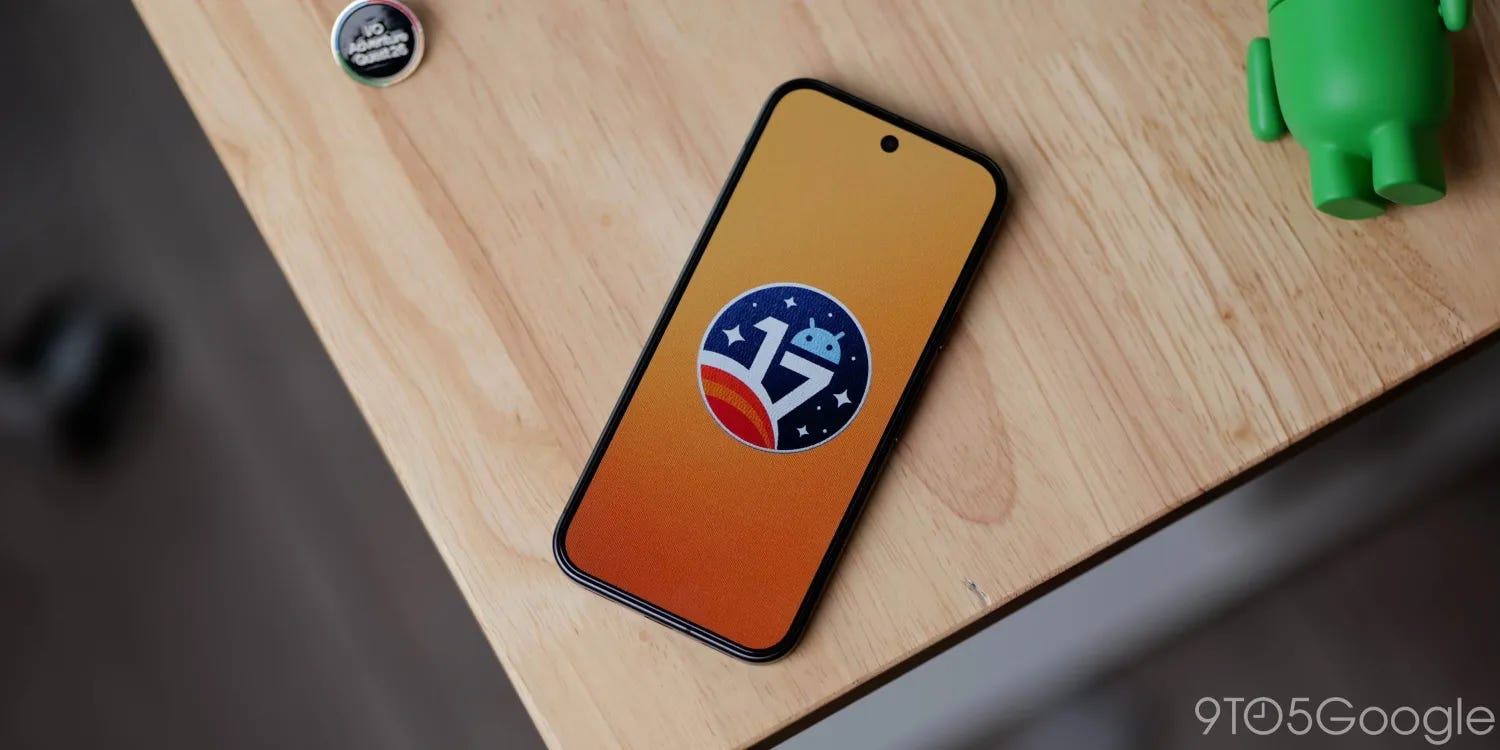
Google’s Android 17 is here as a solid refresh, building on last year’s updates with lots of polish rather than huge overhauls (bigger AI stuff comes later). Highlights include compact settings menus, redesigned privacy indicators, better permissions pop-ups, and a new fingerprint enrollment animation. Usability gets boosts like app bubbles for floating windows, split Wi-Fi/mobile data tiles, improved quick replies, and a redesigned screen recorder with easy editing.
Other nice touches: per-app dark theme controls, comfort filters for Pixel 10 displays, stronger parental tools, and smoother animations. It’s all about making daily use feel snappier and more intuitive. No massive AI takeover yet, but these changes keep things fresh while prepping for more.
Perfect for anyone rocking a Pixel or just into phone tech, small tweaks that make your device feel new again.
Swallow This Tiny Thermometer for Super Accurate Temp Tracking

MIT researchers created a berry-sized ingestible thermometer, tiny enough to swallow easily and way safer than bigger versions. It sits in your GI tract, sending continuous, precise body temperature readings (accurate to 0.01°C) every second using smart low-power tech and backscattering to an external antenna.
Why it rocks: Traditional thermometers miss core temps sometimes, and this could transform monitoring during anesthesia, for infections in vulnerable people, fertility tracking, kids’ fevers, or athletes in extreme conditions. It passed tests in pigs (awake and under sedation) and could pair with other sensors soon. Clinical trials are a few years away, but the goal is replacing clunky methods with accurate, internal data.
Mind-blowing health tech that feels straight out of sci-fi but is grounded in real needs. Could make staying healthy way smarter.