
The AI Reality Check
AI layoffs reverse, cyber threats evolve, and innovation accelerates across every industry.

The Great AI Rehire: Why Companies Are Bringing Back Human Workers
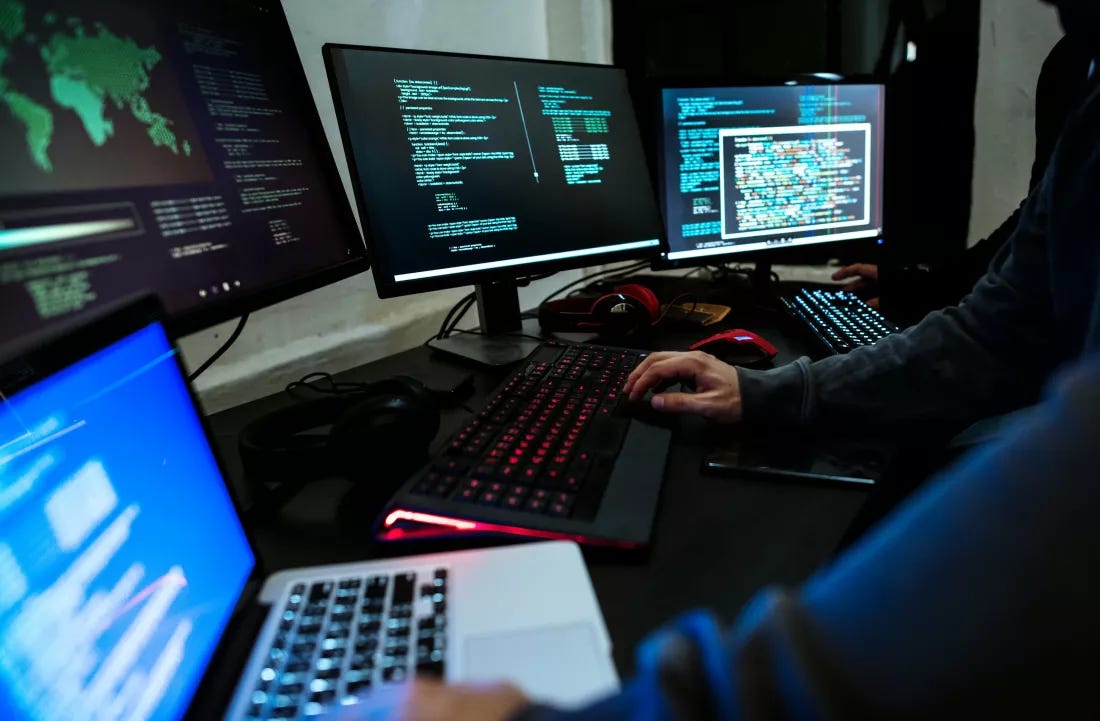
Remember when everyone thought artificial intelligence would instantly replace white-collar jobs? Well, a major shift is happening in the workplace. Fresh data shows that many businesses jumped the gun by automating roles, only to realize that machine outputs often lack the quality control and institutional knowledge of real people. Companies are experiencing serious sticker shock from expensive AI tools that fail to deliver the expected productivity gains. As a result, roughly a third of firms that slashed jobs are now actively rehiring employees to fix mistakes and manage operations.
While this is great news for experienced professionals, entry-level job seekers might still struggle as businesses look toward cheaper offshore options instead. It turns out that human expertise remains absolutely essential for complex tasks. Automation was supposed to make everything cheaper and faster, but ignoring the value of real-world experience backfired on corporate leaders.
Security Alarms Sound Over Claude Mythos 5 “Too Powerful”
Anthropic just dropped Claude Fable 5, their newest and most powerful AI model yet. Moving beyond standard text generation, this powerhouse lets users build fully playable mini-games and complex visual maps using nothing but a single prompt. Early testers found that the system compresses months of software engineering work into mere days by autonomously managing huge codebases and multi-step tasks.
While tech experts are thrilled by how much easier software development is becoming, the company is rolling out access carefully because such advanced capabilities also carry significant cybersecurity risks if misused. It marks a massive leap forward in generative AI, lowering the barrier to entry so dramatically that almost anyone can bring digital ideas to life instantly. Coding is no longer just for experts behind closed doors.
Connecting the Unconnected: The Battle for Orbiting IoT
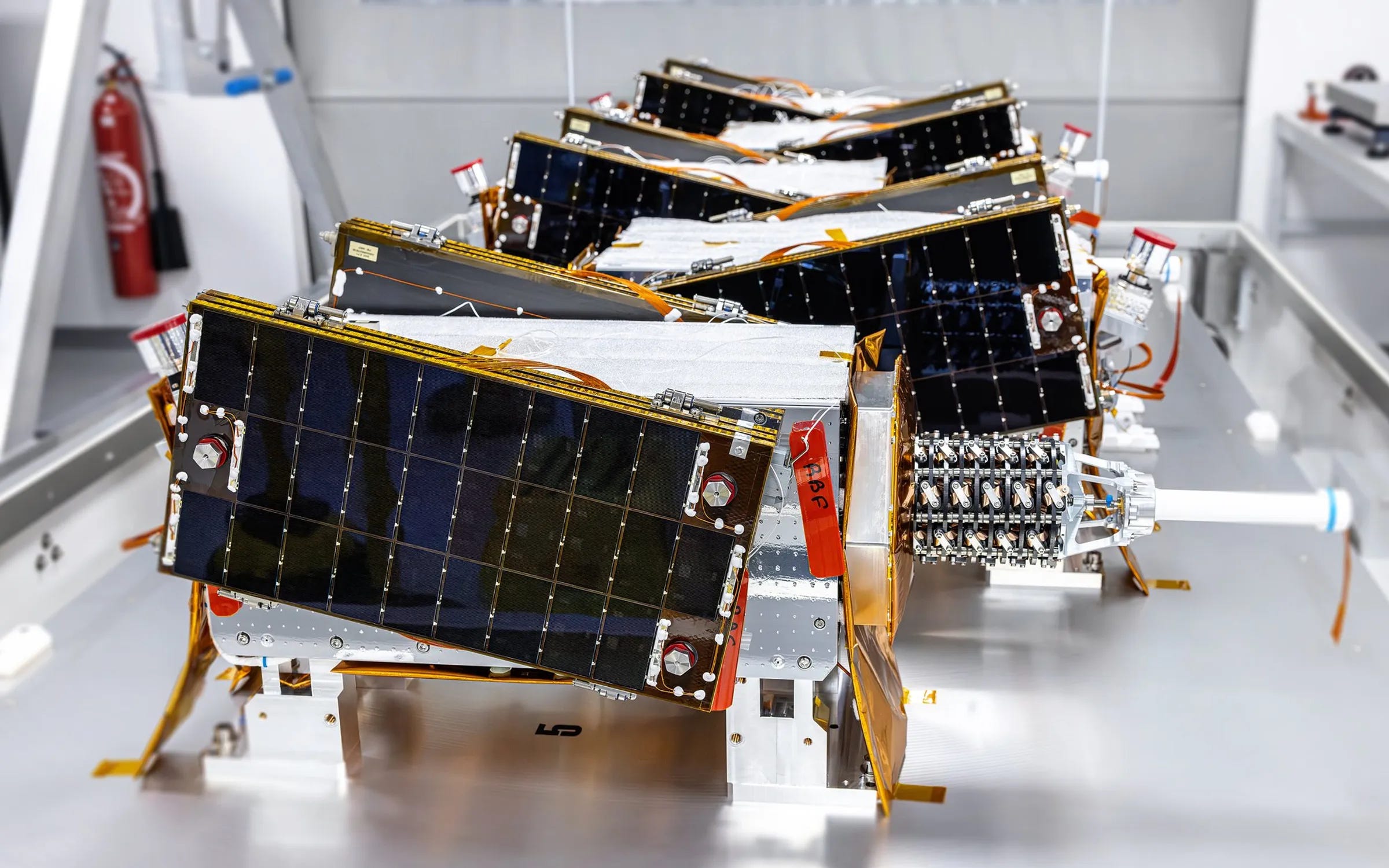
Satellite IoT is entering a high-stakes race as industries scramble to track assets in remote locations far beyond regular cell towers. Companies are racing against the clock before 6G standards completely shake up the industry around 2030. Various technologies are competing for dominance in this space. Some networks are using LoRa modulation from space to connect tiny, low-power sensors that monitor everything from wildlife to industrial equipment for years without a battery change.
Meanwhile, other innovators are betting on Bluetooth chips already sitting in everyday devices to beam signals directly to orbit, transforming global supply chain tracking without requiring special hardware. Each approach has distinct trade-offs regarding battery life, roaming capabilities, and data flow. Ultimately, the market will segment based on whether simple, ultra-low-power tracking or complex, high-bandwidth continuity matters most to users out in the field.
Fortifying the Digital Frontier: Why AI and Data Security Must Go Together

As cyber threats grow increasingly sophisticated and move at machine speed, businesses are realizing they cannot afford isolated tech experiments. A major trend involves pairing advanced reasoning tools like Anthropic Claude directly with secure, governed cloud data platforms like Snowflake Cortex AI. Organizations are deploying autonomous AI agents to handle first-level threat investigations and compliance checks without exposing sensitive information to the public web.
This integration allows security teams to move from spotting a vulnerability to taking action almost instantly, freeing human analysts to focus on complex, high-level breaches. However, with great power comes great responsibility. Unsecured AI systems can easily supercharge attacks if hackers exploit weak points first. Therefore, establishing strict governance and compliance controls is absolutely vital for enterprises aiming to adopt modern frontier models safely and effectively.
From Player to Creator: Building Fun Games With a Single Click

Building a video game used to require months of coding, expensive software, and a massive team of developers. Thanks to Anthropic and their newly launched Claude Fable 5, those barriers are completely crumbling. The system handles complex tasks so well that everyday users can generate fully functional mini-games, like mashups of Pac-Man and Snake, just by typing a simple conversational prompt.
AI researchers who tested the model are amazed by its deep reasoning skills and ability to execute flawless code over extended periods without breaking a sweat. It completely redefines what is possible with generative AI in entertainment and casual coding. While traditional game studios are not disappearing overnight, the baseline for fundamental creative capabilities is shifting rapidly, opening up exciting new doors for hobbyists and aspiring designers everywhere.
Thank you for joining… see you next week.