
Silicon, Semis, and Safety Bans

Looking at today's landscape, it's evident that we're moving out of a period of pure experimentation and into one of practical application. The cartilage regrowth injection is a significant step for regenerative medicine, potentially offering a non-invasive solution for millions. Similarly, Japan’s hydrogen-blend engine and Aurora's driverless freight milestone show that we are successfully integrating sustainable energy and autonomous logistics into real-world systems. While the Notepad vulnerability reminds us that AI integration requires more caution, and the social media bans signal a major shift in digital regulation, the overall trajectory is encouraging. We are seeing a more grounded, human-centric approach to how we build the future.
Lets have a look…
Microsoft’s Notepad “Oopsie“
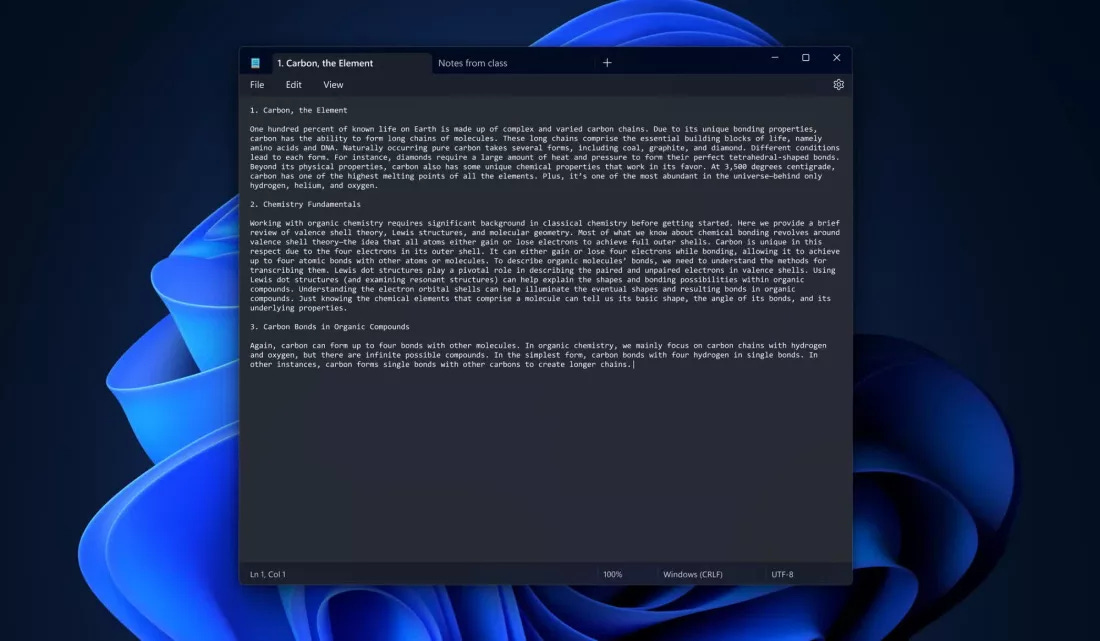
Imagine opening a basic text file and accidentally inviting a hacker to dinner. That’s essentially what happened when a new AI-powered rewrite tool was shoved into the classic Windows Notepad. While trying to make the app “smarter,” developers accidentally created a security vulnerability that could let bad actors execute malicious code on your computer. It’s a classic case of adding fancy features nobody asked for and breaking the front door in the process. This serves as a massive reminder that even the simplest tools we trust can become cybersecurity risks when companies rush to sprinkle artificial intelligence on everything. If you’re a Windows user, keep those system updates rolling, because “simple” software isn’t always safe anymore.
Cracking Down on Social Media for Young Users

The era of endless scrolling might be hitting a digital wall for teens around the globe. Governments are moving fast to implement age-based bans and strict identity verification to keep kids off platforms like TikTok and Instagram. From Australia’s landmark legislation to shifting rules across Europe and the US, the goal is to combat mental health declines and online bullying. While some argue this protects younger generations from predatory algorithms, others worry about digital privacy and how these bans will actually be enforced. It’s a massive shift in how we view internet freedom versus public safety, and it might mean your younger siblings will have to find a new way to spend their Friday nights.
Breakthrough Shot That Could Regrow Your Joint Cartilage

Forget painful joint replacements and months of physical therapy. Researchers at Stanford have developed a groundbreaking injectable gel that can actually regrow human cartilage. Usually, once your cartilage wears down, it’s gone for good, leading to chronic pain and arthritis. This new “biogel” acts like a scaffold, encouraging your body’s own stem cells to create new, healthy tissue right where it’s needed. This regenerative medicine breakthrough could be a total game-changer for athletes and anyone dealing with joint injuries. We are moving toward a future where “fixing” a broken body is as simple as a quick trip to the doctor for a therapeutic injection.
Robot Trucks Take the Long Haul

The dream of autonomous shipping just hit a massive milestone on the open road. Aurora Innovation successfully completed a 1,000-mile freight run using a driverless semi-truck, proving that “Ghost Riders” are officially here. Operating across long stretches of highway, the system handled complex traffic patterns and harsh weather without a human behind the wheel. This isn’t just a cool tech demo; it’s the beginning of a revolution in the supply chain that could make logistics faster and cheaper. While we aren’t replacing all truck drivers yet, the efficiency of these self-driving rigs suggests that the snacks you buy at the store might soon be delivered by a computer-controlled titan.
Japan's 30% Hydrogen-Blended Power Engine
Japan is officially turning up the heat on clean energy with a world-first hydrogen-blend engine. Engineers have successfully created a massive power plant engine that runs on a 30% hydrogen mix, significantly cutting down on carbon emissions compared to traditional fossil fuels. This is a huge step toward a decarbonized future, showing that we can adapt our current infrastructure to use sustainable fuels. Instead of building everything from scratch, this tech allows us to transition toward zero-emission power while keeping the lights on. It’s a bold move in the global race to solve climate change using innovative engineering and chemical breakthroughs.
Whether you’re here for the deep-tech dives or just to keep an eye on where the world is headed, your curiosity is what keeps this project alive. Stay safe, and we’ll see you in the next one.