
Rebuilding the Future
Frontiers in Sensing and AI

Odysseus Rising: PewDiePie’s AI Rebellion Against Subscriptions
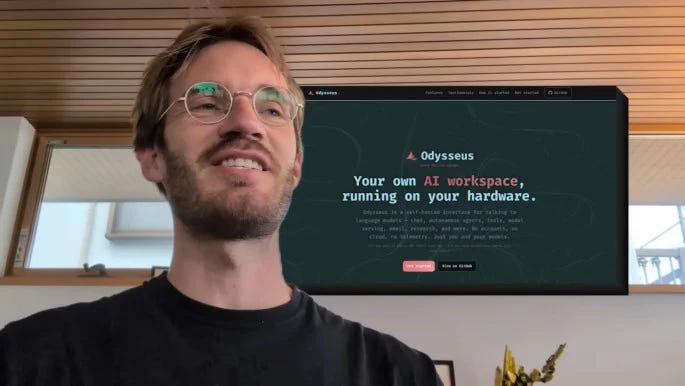
For years, most people have accepted that powerful AI tools come with monthly fees, cloud accounts, and a growing list of subscriptions. Now, PewDiePie is pushing back with something very different. His new project, Odysseus, is a free self hosted AI workspace designed to run on your own hardware rather than relying on large tech companies.
What makes this interesting is not just the software itself, but the philosophy behind it. The focus is on privacy, ownership, and giving users more control over their AI experience. Instead of sending data to remote servers, people can run open source models locally and customize their setup however they like.
Whether Odysseus becomes a mainstream alternative remains to be seen, but it highlights a growing movement in tech. More people are asking whether AI should belong to giant corporations or whether individuals should have the freedom to run powerful systems themselves. As AI becomes a bigger part of daily life, that question is only going to get louder.
The launch shows that AI innovation is no longer limited to Silicon Valley giants. Creators, hobbyists, and independent developers are increasingly shaping the future as well.
Blue Origin Refuses to Stay Grounded

A dramatic explosion during testing would be enough to sideline many space programs for years. Blue Origin, however, is already talking about getting its New Glenn rocket back into action before the end of the year. Despite significant damage from the recent blast, company leaders say key infrastructure survived and repairs are moving forward.
The stakes are incredibly high. New Glenn is expected to play a major role in launching satellites, supporting future lunar missions, and helping Blue Origin compete with rivals like SpaceX. Every delay creates pressure, especially when customers and partners are depending on upcoming launches.
What stands out is the determination to recover quickly. Space exploration has always been built on learning from failures, and this situation is another reminder that progress often comes with setbacks. Rockets operate at the edge of what is technically possible, which means every success is usually built on lessons learned from previous mistakes.
The coming months will reveal whether Blue Origin can meet its ambitious timeline, but one thing is certain: the race to dominate the next era of spaceflight is far from over.
MIT Finally Cracks a Lidar Problem That Wouldn’t Go Away
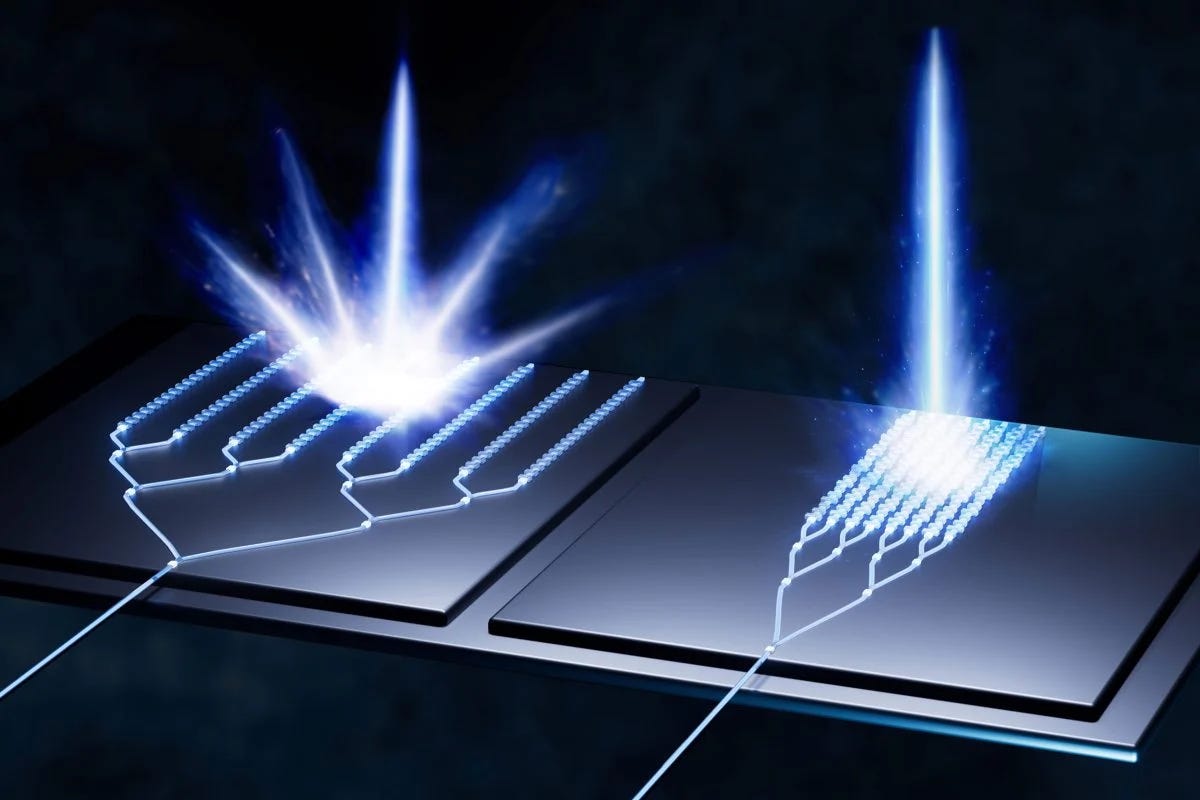
Many of the technologies powering self driving cars, robotics, and advanced mapping systems depend on lidar, a technology that uses laser light to measure the world around it. It has become one of the most important sensing tools in modern engineering, but researchers have struggled with a major limitation for years.
Engineers at MIT have now developed a solution that significantly improves lidar’s ability to work in challenging situations. This breakthrough could help sensors produce more reliable data while reducing some of the issues that have limited performance in difficult environments.
What makes this exciting is how many industries could benefit. Better lidar means smarter robots, safer autonomous vehicles, more accurate environmental mapping, and improved navigation systems. Small improvements in sensing technology often create massive improvements across entire industries because machines can only make good decisions when they have good information.
This is one of those advances that may not generate flashy headlines outside the tech world, but it has the potential to quietly influence many of the technologies people use every day. Sometimes the biggest breakthroughs happen behind the scenes, solving problems that most people never knew existed.
Your WiFi Might Be Watching More Than You Think
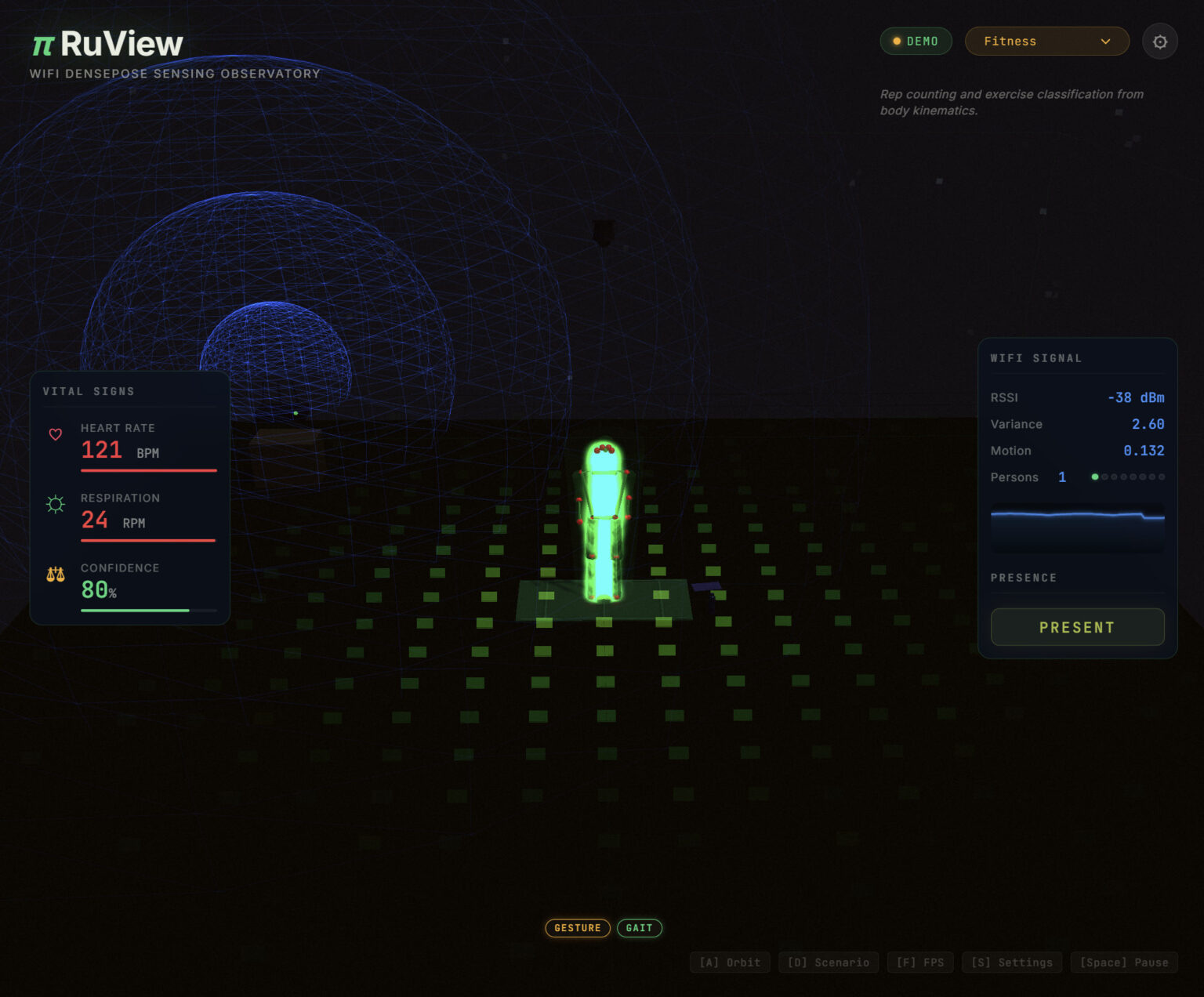
A viral GitHub project called RuView is attracting attention for turning ordinary WiFi signals into a tool capable of detecting movement, monitoring presence, and even tracking activity through walls. Instead of using cameras, the system analyzes changes in wireless signals moving through a space.
At first glance it sounds like science fiction, but the underlying research has existed for years. Researchers have demonstrated that WiFi signals can reveal movement, breathing patterns, and location data by measuring how radio waves interact with people and objects. RuView packages these ideas into a more accessible and attention grabbing project.
The technology opens up fascinating possibilities. Smart homes could become more responsive, healthcare monitoring could become less intrusive, and security systems could detect activity without relying on cameras. At the same time, it raises important questions about privacy and how much information wireless networks can reveal.
The story is a reminder that innovation often arrives from unexpected directions. Sometimes the next breakthrough doesn’t require new hardware at all. It simply finds a clever new use for technology that is already sitting in our homes.
Thank you for joining today.