
Play, Power, and Progress
From Pokémon-style delivery to the future of computing and materials

Hi All,
Please find your weekly highlight news below.
Welcome back to my newsletter where the future shows up uninvited and casually rearranges your expectations. This week we’ve got robots learning teamwork, materials that refuse to stay the same shape, and computers that basically run on light like they’ve unlocked a cheat code. Somewhere in between, AI is being told to calm down, and vehicles are starting to balance themselves better than most of us on a Monday morning. Honestly, it’s getting harder to tell if we’re reporting on real life or the early stages of a sci-fi movie. Either way, technology is clearly not here to relax… but neither are we.
Pokémon Go Fans Secretly Trained Delivery Robots!

Imagine turning everyday people into a crowdsourced delivery network using the same magic that made Pokémon GO a global obsession. That’s exactly the direction being explored, blending augmented reality, location-based gaming, and robot delivery systems into something that feels part game, part gig economy. Instead of drivers, small robots could rely on human interaction to complete deliveries, guided by incentives and gameplay mechanics.
What stands out here is how gamification is evolving beyond entertainment into real-world infrastructure. It raises big questions about human behavior, motivation, and how tech can subtly influence daily routines. If done right, this could reshape how cities handle last-mile delivery, making it more interactive, efficient, and maybe even fun.
At the same time, there’s a deeper layer, how much are people willing to trade their time and movement data for rewards? It’s a clever mix of AI logistics, crowdsourcing, and behavioral design, and it feels like a glimpse into a future where work and play blur together.
Turning Waste Into Shape-Shifting Robots
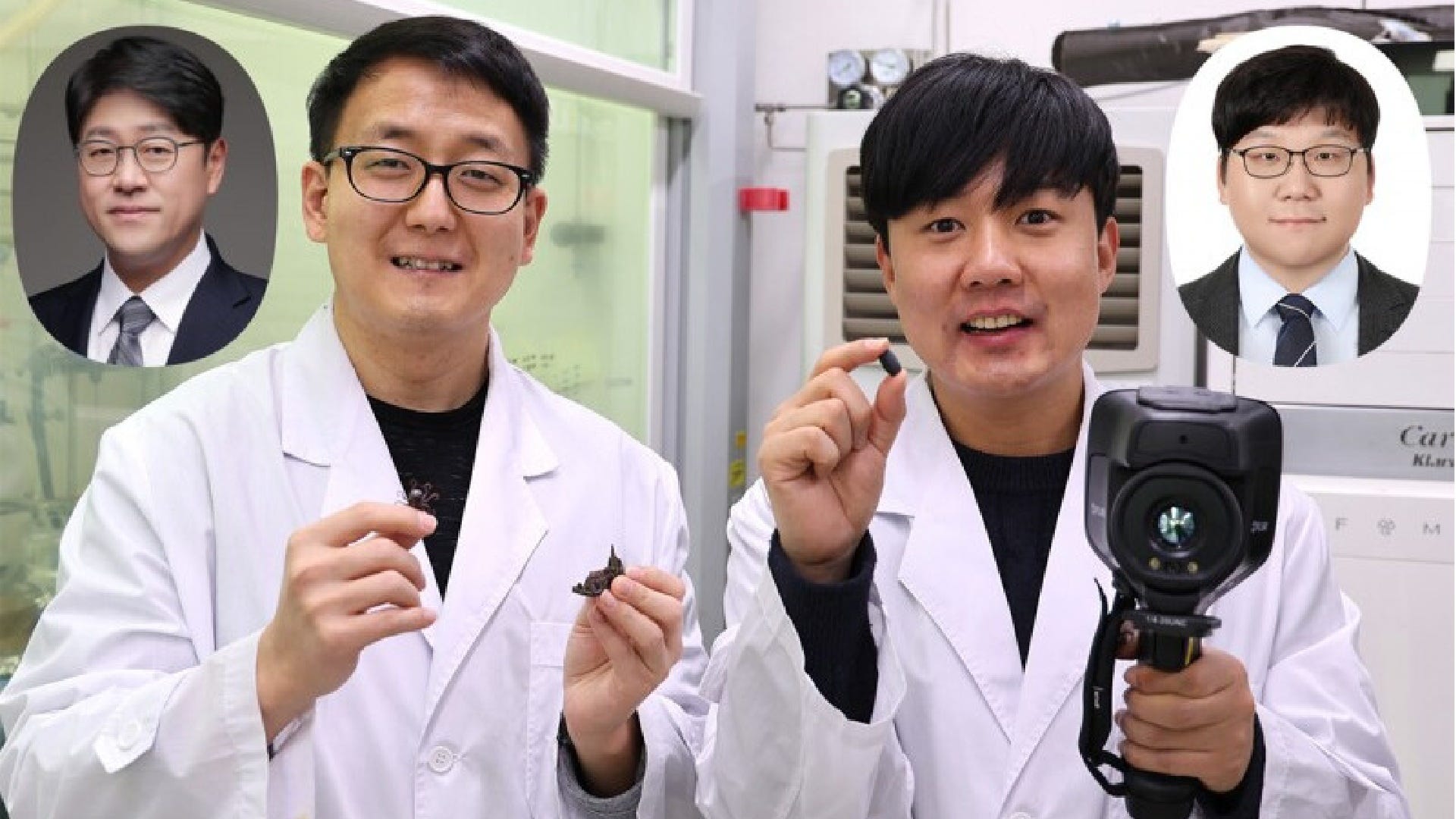
What if industrial waste could become the building blocks of the future? Researchers are transforming sulfur waste into 4D-printed soft robots that can change shape over time. This isn’t just recycling, it’s a full rethink of how materials behave and evolve.
The key idea here is 4D printing, where objects aren’t static. Instead, they respond to heat, light, or environmental triggers, allowing them to morph after being created. Pair that with recyclable materials, and you get robots that are not only adaptive but also sustainable.
This could have massive implications for industries like medicine, search-and-rescue, and even space exploration, where flexibility and durability matter. Imagine soft robots squeezing through tight spaces or repairing themselves over time.
What makes this exciting is the combination of sustainability + advanced robotics. It’s not just about making smarter machines, it’s about making them responsibly.
Light-Speed Computing Just Leveled Up

A new breakthrough in light-based computing is pushing speeds to an insane 10,000 GHz, potentially over 1,000× faster than today’s processors. Instead of relying on electricity, this tech uses photonics, meaning data moves at the speed of light.
This could completely redefine computing as we know it. Think instant AI processing, ultra-fast simulations, and massive improvements in data centers. The bottleneck that slows down modern tech might finally have a real solution.
What’s especially exciting is how this connects to the future of AI, quantum systems, and high-performance computing. Faster processing doesn’t just mean quicker app, it means unlocking problems we couldn’t even attempt before.
We’re looking at a shift similar to going from dial-up to fiber, but on a much bigger scale. If this becomes commercially viable, it could reshape everything from smartphones to global networks.
Microsoft Hits Pause on Copilot Everywhere
Even giants like Microsoft are realizing that more AI isn’t always better. Plans to deeply integrate Copilot across Windows 11 are being scaled back, signaling a shift in strategy.
The big takeaway? AI fatigue is real. Users don’t want tools forced into every corner of their experience, they want useful, intentional integration. This move suggests a growing awareness that quality beats quantity when it comes to AI features.
It also reflects the broader challenge in tech right now: figuring out where AI truly adds value versus where it becomes noise. Companies are experimenting fast, but not everything sticks.
This moment feels like a recalibration. Instead of rushing AI into everything, the focus might shift toward making it smarter, more helpful, and less intrusive.
The Motorcycle That Balances Itself
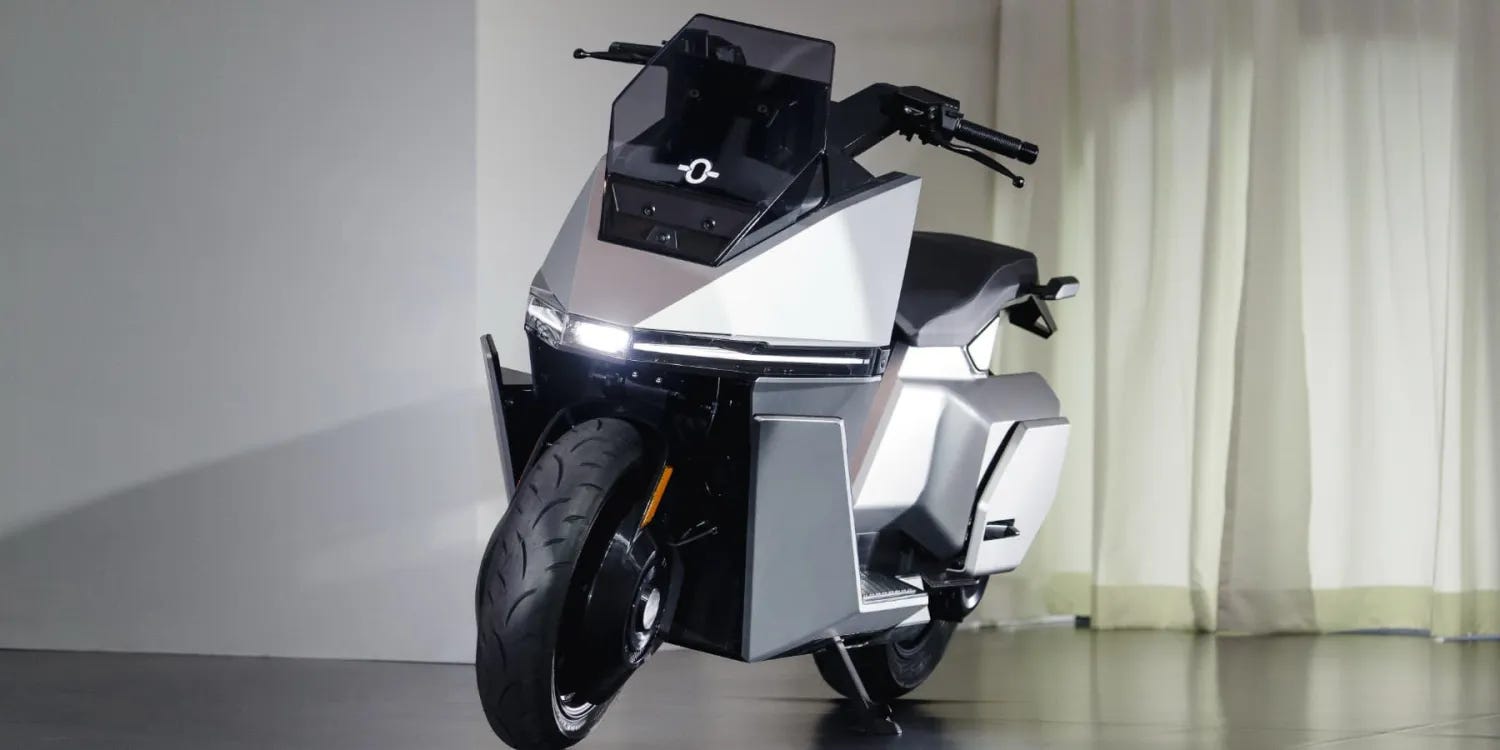
The future of riding just got a serious upgrade with the world’s first self-balancing electric motorcycle entering production. This isn’t just about going electric, it’s about redefining stability and safety on two wheels.
Using advanced gyroscopic systems and AI-assisted control, the bike can stay upright even at low speeds or when stopped. That means fewer accidents, easier handling, and a much lower barrier for new riders.
This could be a game-changer for urban mobility. Think safer commutes, less intimidation for beginners, and a smoother transition into electric transport.
It also hints at a bigger trend: vehicles becoming more autonomous and intelligent, even when we’re still in control. The line between rider and machine is starting to blur.
China’s Carbon Fiber Breakthrough
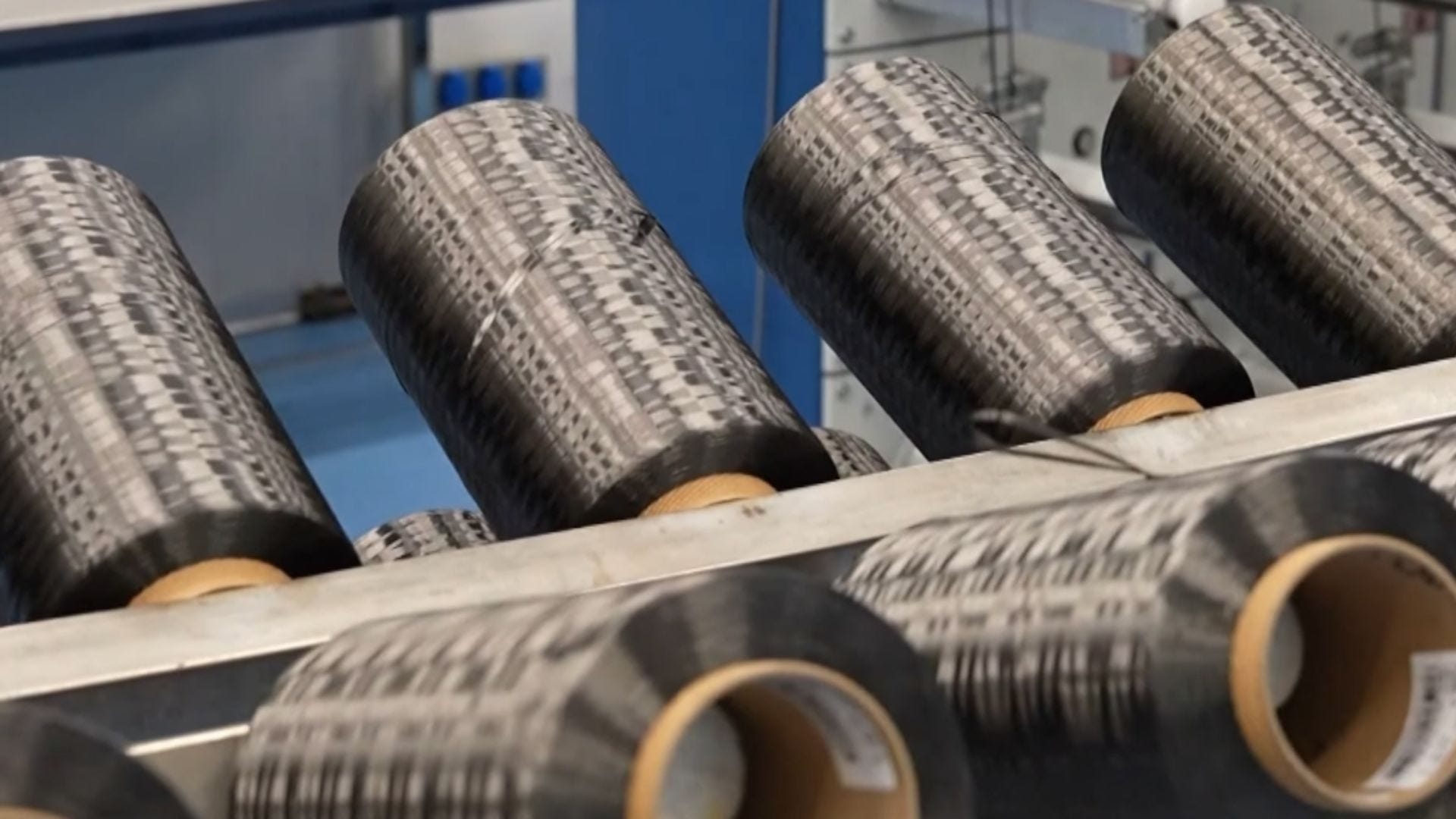
China is stepping ahead in materials science with the mass production of the world’s strongest carbon fiber. Stronger, lighter, and more scalable, this innovation could ripple across industries.
Carbon fiber is already critical in aerospace, automotive, and renewable energy, but scaling production has always been a challenge. Solving that unlocks cheaper, stronger materials for everything from airplanes to wind turbines.
The real story here is about global competition in advanced manufacturing. Whoever leads in materials often leads in innovation. This move strengthens China’s position in the race for next-gen infrastructure and technology.
For everyday life, it could mean lighter cars, more efficient energy systems, and stronger products across the board.
And that’s a wrap on this week’s adventure through the frontiers of tech. Huge thanks to every one of you reading, sharing, and geeking out alongside us.