
Old Tech, New Tricks

Invisible AI Trap Catches 32 Students

A history professor at Alcorn State University just pulled off a clever move against AI cheating. He hid white text inside a midterm question about the Industrial Revolution. The secret instructions told any AI to stuff the answer with random nonsense about Madagascar, like “Madagascar purple bicycle whispers to the ceiling” or “Madagascar floats sideways through the afternoon.”
Out of 35 students, 32 pasted the question straight into a chatbot and turned in the weird replies without reading them. They all failed that part. The professor gave them a chance to fight the grade, but only two tried.
This shows how easy it is for students to lean on AI tools without checking the output. Schools have tried handwritten tests and oral exams, yet the problem keeps growing. One Brown University class saw average scores jump to 96% once take-home work was allowed. Most kids still just copy-paste.
The trick matters because it proves teachers can fight back with simple, low-tech ideas instead of fancy detectors. It also forces a bigger conversation about honesty, learning, and what happens when everyone has a free AI assistant in their pocket. If students stop thinking for themselves, the whole point of school starts to fade.
India’s Private Rocket Hits Orbit on First Try

Skyroot Aerospace just made history. On July 18 their Vikram-1 rocket blasted off from India’s Satish Dhawan Space Centre and reached orbit in about 15 minutes. It is the first time a private Indian company has put anything into orbit, and they did it on the very first attempt. Only the United States and China had private firms do this before.
The rocket stands 22 meters tall and can carry 350 kilograms to low Earth orbit. It uses mostly solid-fuel stages plus a 3D-printed liquid engine that can start and stop in space. The body is mostly carbon-composite, so it is lighter than old metal designs. It also carried real commercial payloads from other startups, including a robotic arm meant to clean up space junk.
Just six years ago India opened its space sector to private companies. Now there are nearly 400 startups and the industry is worth about $8.4 billion. Skyroot itself is already a unicorn. They plan commercial launches as early as next year and are building a stronger rocket called Vikram-2.
This matters because it proves private companies in India can compete on the world stage for small-satellite launches. Cost is lower than many Western options, and dedicated flights can beat crowded rideshares. Other Indian startups are right behind them. If they keep succeeding, more countries will have cheaper, faster ways to put satellites up.
Robot Vacuums Caught in New US Import Ban
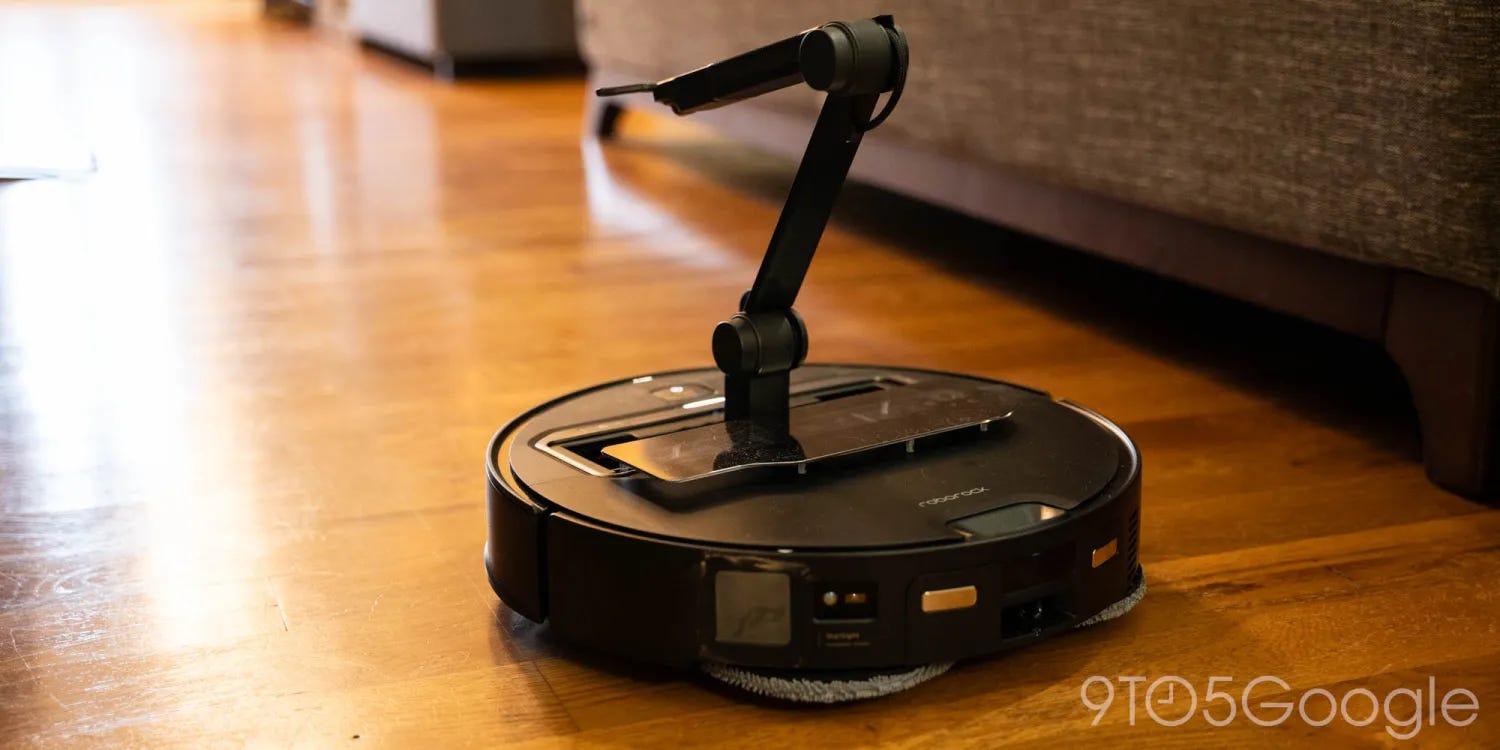
The US government just banned new “advanced robotic devices” made outside the country. The FCC confirmed that includes robot vacuums. Brands like Roborock, Ecovacs, and Narwal are almost all based in China, so future models are in trouble.
Existing models already on store shelves or approved can still be sold. New ones cannot, unless 65% of the parts come from the US. That bar is almost impossible for most makers to clear. Self-driving cars, surgical robots, and fixed industrial arms got exceptions, but household cleaners did not.
This hits hard because robot vacuums have become everyday tools. People rely on them. The ban also likely covers robot lawn mowers and warehouse bots. Companies will have to redesign, move factories, or simply stop selling new gear in the US.
It matters because it shows how national security and trade rules are now reaching into living rooms. Your current vacuum is fine, but the next generation may get more expensive or harder to find. It also raises the question of whether the US can build enough of these machines at home or if people will just keep older models longer.
Zuckerberg Bets on Personal AI Agents for Billions
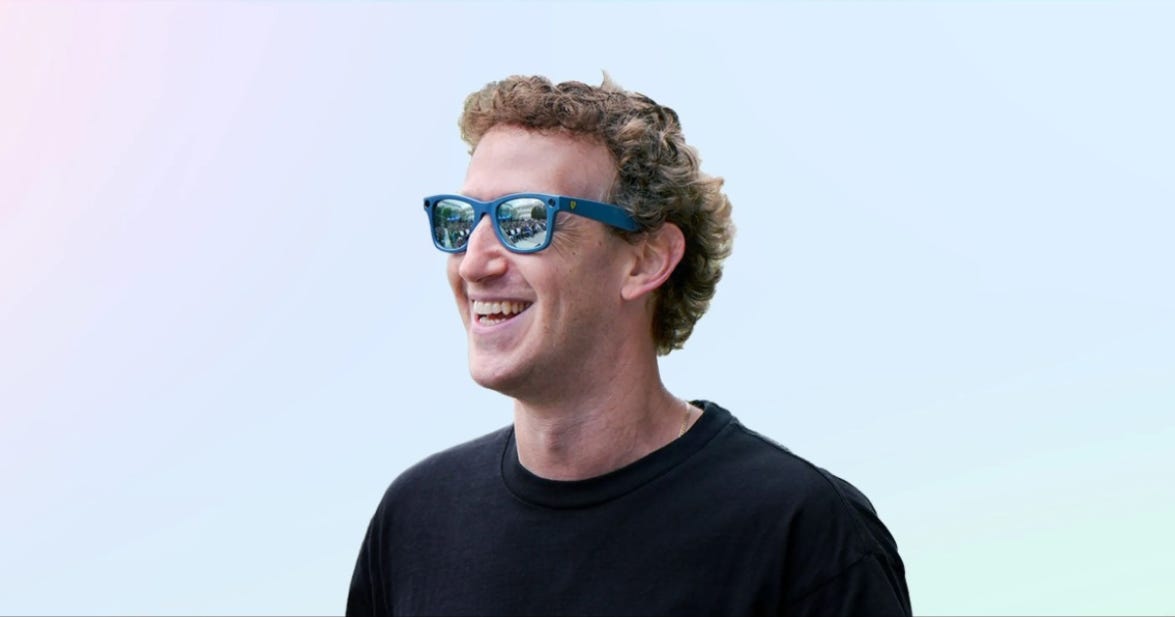
Mark Zuckerberg told investors that within five years billions of people will have their own personal AI agents. These agents will know your goals and work for you around the clock on money, health, relationships, and household stuff.
He sees WhatsApp and Meta’s other messaging apps as the main place people will talk to these agents. Meta already has business agents on WhatsApp that more than a million companies use. Consumer versions are next.
Meta is pouring money into the idea. Their Reality Labs division keeps losing billions, and free cash flow dropped hard because of AI infrastructure spending. They even partnered on a huge new data center. Zuckerberg still believes selling intelligence will make more money than just selling computer power.
This prediction matters because every big tech company is racing toward agents that do things instead of just answering questions. Google and Anthropic are pushing the same direction. If Zuckerberg is right, daily life could shift from searching for answers to having an AI that already knows what you need and acts on it. Privacy, reliability, and cost of all that computing will become everyday worries.
Winamp Teams Up with Deezer for a Streaming Comeback

Winamp, the classic music player from the MP3 days, is trying again. It partnered with Deezer to power a new premium streaming service inside the next Winamp player, due in the first half of 2027.
The new app will mix streaming, your own local files, internet radio, podcasts, and cloud libraries in one place. They promise heavy personalization, custom looks, and social tools. Winamp says it will feel different from Spotify or Apple Music. Their free desktop player still has more than 40 million users.
The market is crowded, so success is not guaranteed. But nostalgia for older tech is real right now. Cassettes, old MP3 players, and even iPods are getting fresh attention. Winamp is betting that its name and the ability to keep your own music library will pull people back.
It matters because it shows classic brands can still reinvent themselves. If Winamp pulls it off, it could give people a streaming option that respects local files and customization instead of locking everything behind one service. For anyone who grew up with the old green equalizer, this is a small piece of music history trying to stay alive.