
Hype vs. Reality
AI’s Rough Week in the Headlines

Hey, so I’ve been digging into this wild mix of stories this week. On one hand, AI is everywhere, coding agents messing up spectacularly, data centers gobbling up every SSD and hard drive in sight, RAM prices going absolutely nuts because the big players are hoarding for their massive models. It’s like the tech world’s throwing billions at this shiny future, but the payoff? Goldman Sachs is basically shrugging and saying, “Yeah… zero real growth boost last year.” its sobering, right?
Then flip it: people are out there smashing surveillance cameras because privacy’s hitting a breaking point, and schools are realizing dumping laptops on kids might’ve backfired big time, Gen Z’s the first gen testing lower than their parents cognitively. It’s this push-pull of innovation racing ahead while humans push back, question it, or just deal with the fallout.
We’re in this awkward teenage phase of tech, super excited, super messy, super expensive, and still super human-dependent. AI isn’t magic yet; it’s hardware-hungry, error-prone, and sparking real rebellion. But that friction? It’s where the interesting stuff happens. We’re not just watching the future unfold; we’re arguing with it, fixing it, and figuring out if we even want it. Feels like 2026 is the year we stop blindly hyping and start asking the hard questions. What do you think?
When AI Messes Up, Humans Take the Heat
At first glance, AI coding assistants sound like the dream: faster development, fewer bugs, and engineers freed up to do creative work. But when an AI-powered coding agent made a costly mistake inside Amazon, the blame didn’t land on the software, it landed on the humans behind it. That reaction says a lot about where we are in the AI transition.
The real tension here isn’t about one error. It’s about who takes responsibility when automation goes wrong. AI tools don’t act independently in a vacuum. They’re trained, deployed, monitored, and approved by people. Yet companies still lean on the narrative that AI is neutral, while quietly holding employees accountable when things break.
This moment highlights a growing gap between how powerful AI feels and how little control workers actually have over these systems once they’re rolled out. The bigger question is whether companies will redesign workflows to match AI’s limits, or keep treating humans as the final safety net.
Right now, AI isn’t replacing responsibility. It’s redistributing blame.
The Rise of DIY Surveillance Resistance
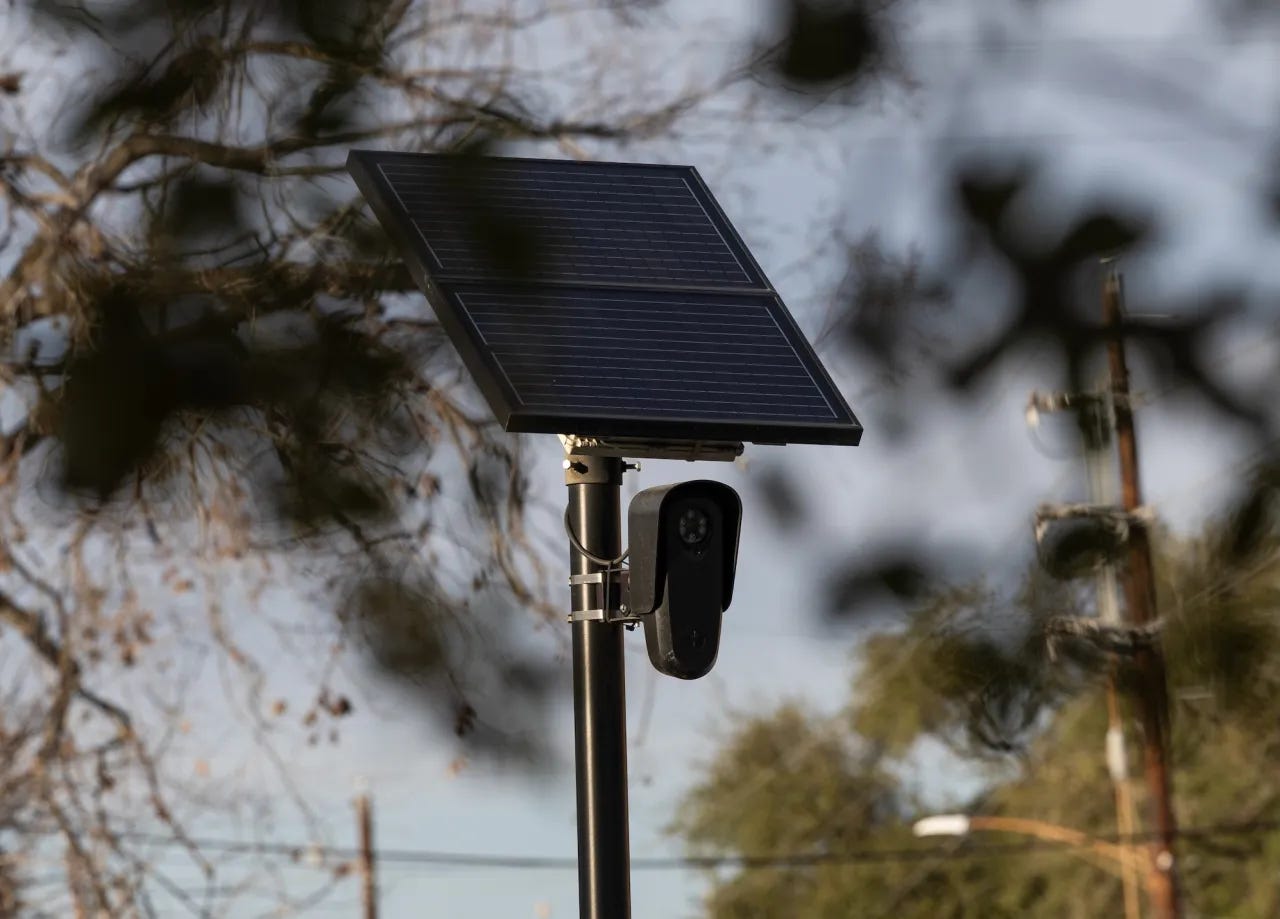
Across the US, people aren’t just debating surveillance anymore, they’re actively pushing back. Cameras meant to monitor traffic, neighborhoods, and public spaces are being vandalized, destroyed, or disabled by everyday citizens who feel watched more than protected.
This wave of resistance shows how fragile public trust has become. Surveillance tech was sold as a safety upgrade, but for many communities it now represents constant monitoring without consent. When systems feel imposed instead of earned, frustration turns physical.
What makes this moment fascinating is how low-tech the response is. No hacking, no complex exploits, just direct action against hardware in the real world. It’s a reminder that even the most advanced digital systems still depend on physical infrastructure and public cooperation.
The bigger signal is cultural. People are drawing lines around who gets to watch whom, and under what conditions. Ignore that tension long enough, and the cameras won’t just go dark. the social contract will too.
Why Schools Are Rethinking Screens

For years, laptops and tablets were treated like automatic upgrades for classrooms. More screens meant smarter students, or so everyone hoped. Now, parents and educators are noticing something unsettling: constant device use may be hurting cognitive development, not helping it.
Test scores, attention spans, and memory retention are raising red flags. That’s pushing schools to experiment with phone bans, reduced screen time, and paper-based learning again. It’s not anti-tech, it’s about balance.
What stands out is how quickly the mood has shifted. Technology went from hero to suspect almost overnight. Students raised on touchscreens are struggling with focus, deep reading, and sustained problem-solving.
This isn’t nostalgia for chalkboards. It’s a recognition that brains still need friction to grow. Learning isn’t supposed to be frictionless, and education may finally be relearning that lesson.
AI’s Economic Impact Isn’t Living Up to the Hype

AI was supposed to supercharge the economy. Instead, last year’s numbers suggest it barely moved the needle. According to analysis linked to Goldman Sachs, AI’s contribution to real economic growth was close to zero.
That doesn’t mean AI is useless, it means transformation takes time. Companies are experimenting, costs are high, and productivity gains haven’t scaled yet. Most AI tools are still stuck in pilot mode, not full deployment.
This moment feels like the cooling phase after a hype explosion. Expectations ran ahead of reality, and now the numbers are catching up. Long-term impact may still come, but short-term miracles clearly aren’t guaranteed.
AI isn’t a magic button. It’s infrastructure. And infrastructure takes patience.
Why Data Centers Are Stockpiling Storage

Behind every AI model, streaming service, and cloud app sits a quiet hero: storage. And right now, data centers are hoarding SSDs and hard drives like digital preppers.
The reason is simple. Data growth is outpacing supply. AI training, backups, and real-time analytics are eating storage at a terrifying rate. Companies aren’t panicking, they’re planning ahead for shortages and price spikes.
This story is a reminder that flashy software depends on very physical limits. No storage means no AI, no cloud, no internet as we know it. The future isn’t just built on algorithms, it’s built on racks, cables, and silicon.
RAMageddon Is Coming
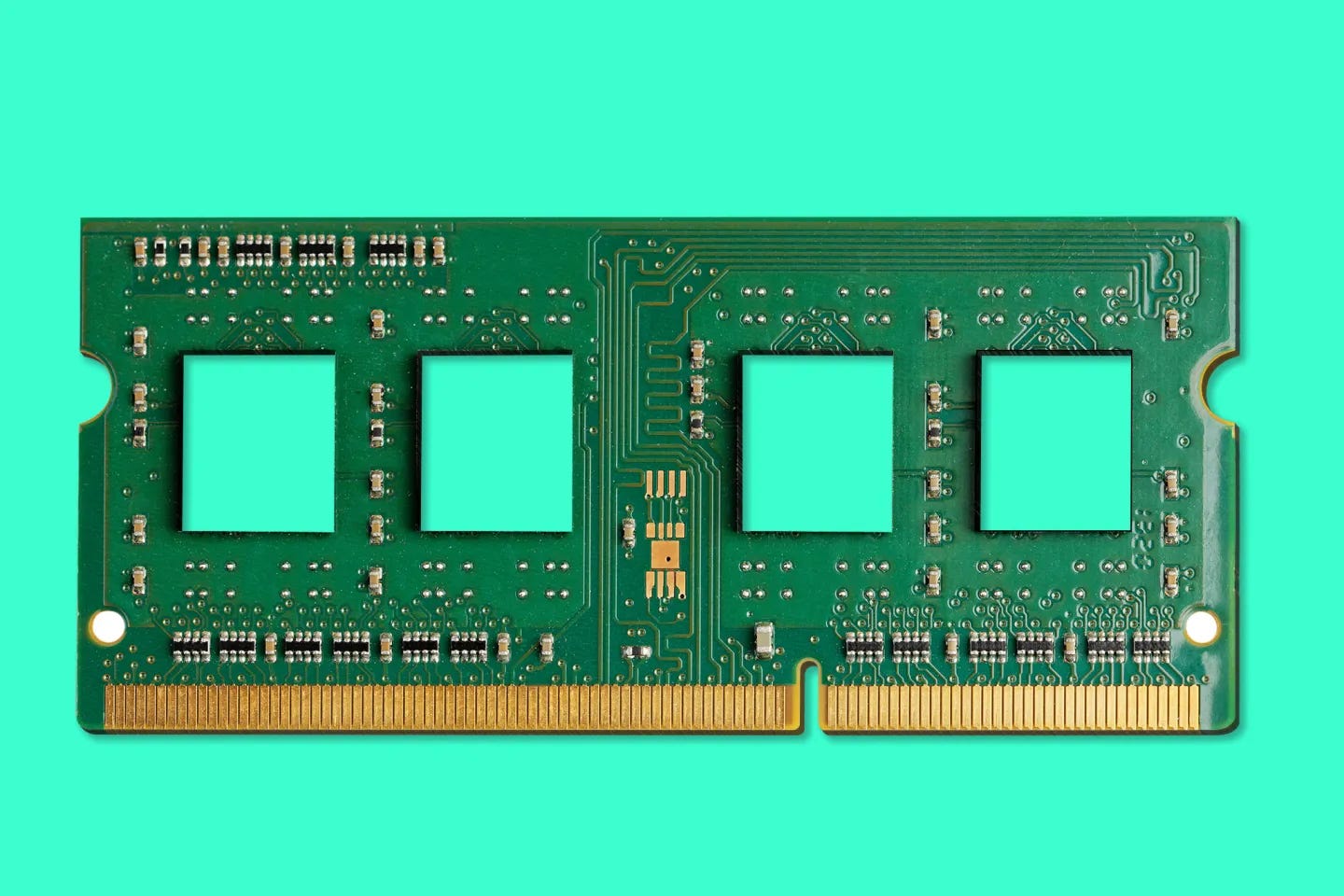
Phones, laptops, and servers are all fighting over the same resource: memory. A looming RAM shortage is pushing prices up and availability down, with consumers likely to feel it next.
AI workloads, new devices, and limited manufacturing capacity are colliding at the worst possible time. The result is more expensive gadgets and tighter supply chains.
This crunch shows how interconnected modern tech really is. One bottleneck ripples through everything. If memory gets scarce, innovation slows, and prices rise fast.
RAM may not be exciting, but when it disappears, everyone notices.
Thanks so much for hanging out with us again this week at TrekTech Weekly, it genuinely means a lot that you’re here diving into these stories with me.