
How Tech Twists and Turns
Diving into surveillance slips, battery breakthroughs, and AI market meltdowns.

I love weeks like this. Not because everything is perfect, far from it, but because the storylines are loud. You can feel technology straining at the edges of finance, privacy, and materials science all at once. This is what real change looks like: messy, exciting, and slightly uncomfortable.
What fires me up is the contrast. We’re capable of incredible creativity, turning scraps into concrete, printing batteries into existence,/ yet we still struggle with restraint when it comes to power and surveillance. That tension is the story. It’s not about stopping progress; it’s about steering it. And weeks like this remind us why paying attention actually matters.
AI Cash Crash: Big Tech’s Trillion-Dollar Dip on Bubble Fears

Now, hold up, giants like Amazon, Microsoft, and Nvidia just lost over a trillion dollars in market value in a week, all because folks are freaking about an AI bubble. Amazon took the biggest hit, dropping $300 billion as shares tanked 5%, thanks to wild spending plans hitting $200 billion this year, way over what experts guessed.
The trigger? Massive cash pours into AI, with Big Tech forecasting $660 billion in builds, more than some countries’ GDPs! Investors worry it’s overkill, with fuzzy returns on chatbots and cloud stuff. Amazon’s AWS might lose its edge, and AI could zap retail by shifting to bots like ChatGPT. Others like Oracle feel the heat too, as hardware bets get questioned.
Experts say it’s volatile, payoffs could be huge or a total flop. Sentiment’s shifting from AI hype to hard scrutiny.
This shake-up highlights investment risks in tech trends, showing how fast booms can bust if spending doesn’t pay off. Key for getting why stock swings affect gadgets and jobs we love.
Backyard Watch: How Ring Cameras Turned Neighbors into a Spy Network

Alright, let’s talk about Ring – those doorbell cams from Amazon that started as theft stoppers but ballooned into a massive surveillance web built by us regular folks. Driven by fear of porch pirates, millions installed ‘em, creating a dragnet where cameras link up via apps like Neighbors to share clips of suspects or viral moments.
Now, with AI tricks like “Search Party”, think drawing a box around a lost pup to scan neighborhood feeds – it’s positioning users as mini detectives. But rewind: shaky security let hackers scare families through indoor cams, and cozy police ties allowed easy footage grabs without warrants. They dialed back some cop perks after backlash, shifting to fun branding with shows like Ring Nation.
Consumers fuel this by mounting cams everywhere, monitoring deliveries or nosy neighbors, often amping up suburban paranoia. Privacy worries? Huge – this network could track anyone, from immigrants to randos, under a cute pet-finding guise. It’s a wake-up on how everyday buys create dystopian monitoring, blending consumerism with law enforcement vibes.
Relevant today as tech blurs home safety and mass spying, urging us to think about who watches who in our ‘hoods.
Sneaky Faces: How Border Tech Skips Privacy Rules to Spot People on the Move
Hey everyone, picture this: government agents are using a super-advanced app called Mobile Fortify to scan faces in real time, helping them track down folks crossing borders or even everyday citizens. Built by a company named NEC, this tool rolled out for border patrol in 2024 and immigration enforcers in 2025, all part of a bigger push against migrants. But here’s the wild part, they launched it without finishing key privacy checks like impact assessments that make sure it’s not trampling on rights. These rules from the White House say agencies gotta evaluate high-stakes AI before going live, but nope, they just went ahead anyway.
This isn’t new; it’s like a pattern where feds prioritize quick action over protections, ignoring stuff since way back in 2014. Think about it, officers pulling out phones almost like weapons to ID people, tying into home raids with looser warrants that skip full court approval. It’s all fueled by a drive to enforce borders harshly, but it raises big red flags on surveillance overreach, where tech gets deployed fast without watching for abuses. In a world where AI is everywhere, this shows how ignoring safeguards can erode freedoms, especially for vulnerable groups. It connects to broader chats on immigration policies and tech ethics, reminding us to question unchecked power. Super relevant for understanding how gadgets shape real lives today.
Desert Mix: Turning Waste Sand and Wood into Tough Blocks

Dude, scientists from Norway and Japan just whipped up Botanical Sand Concrete (or Sandcrete) using stuff we’d normally trash: fine desert sand that’s too powdery for regular builds, mixed with ground-up wood scraps. No cement needed – they heat and press ‘em at 356°F under mega pressure, letting wood’s natural lignin glue everything together like magic.
Compared to old-school concrete, this uses “useless” sand from vast deserts (19 million square miles!), avoiding ripping up rivers or seas for better grains. It forms strong blocks for pavements, meeting tough standards, and cuts transport hassles in dry areas near sands.
Eco wins? Massive, it spares environments from sand mining damage and repurposes wood waste; they’re even eyeing farm scraps next. But tests for cold weather are pending, so not everywhere yet.
This innovation flips sustainable building on its head, showing how abundant junk can make sturdy stuff without wrecking the planet. Super key for arid spots needing cheap, green materials, and it sparks ideas on rethinking waste in construction everywhere.
Power in Print: 3D Batteries Revolutionizing Tiny Gadgets
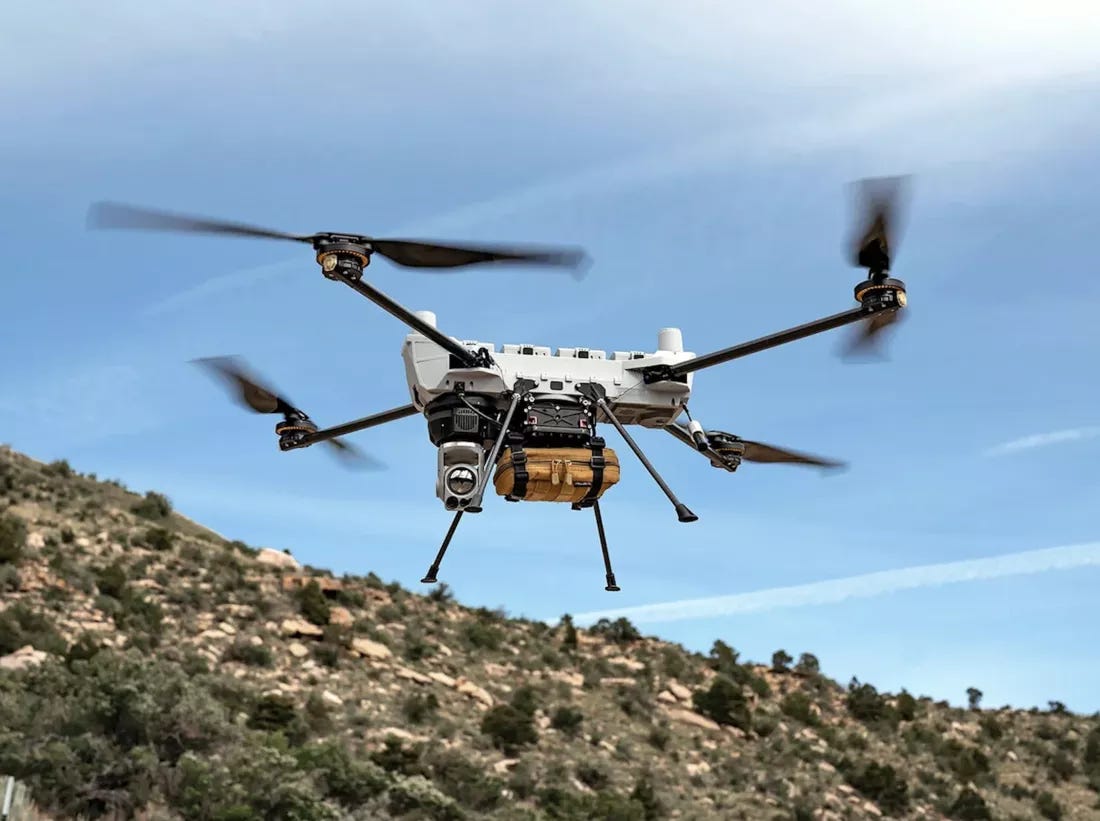
Ok, now look at this…. A startup called Material Hybrid Manufacturing is shaking up how we power small stuff with 3D-printed batteries. Using their Hybrid3D system, they print entire battery layers right onto surfaces, like anodes, cathodes, and even casings, then add electrolyte to make ‘em work. It’s like fusing ink printing with modeling tech, letting batteries bend to weird shapes without bulky cases or wires.
Started by folks from racing and electric cars, they’re eyeing chemistries like NMC or LFP, and won a big Air Force deal to test for defense gear. Imagine drones with energy baked into wings for longer flights – they boosted one by 50% more power in the same space! Or helmets with built-in juice for comms, cutting weight for soldiers. Advantages? Way more design freedom, lighter builds, and skipping old-school assembly hassles. But challenges include nailing precise layers and scaling up.
This matters big time for energy storage in shrinking devices, from wearables to drones, where old rigid batteries just don’t fit. It pushes innovation in making tech sleeker and efficient, potentially changing consumer gadgets like smart glasses or EVs down the line. In a gadget-obsessed world, it’s a step toward embedding power seamlessly, boosting performance without the bulk.
As always, thank you for spending part of your week exploring the future with me.