
Goodbye Chores, Hello Smarter AI
This week, home batteries save the grid, Grok 4.5 builds your code, and a $7,999 robot folds your laundry.

A simple front door to AI tools and hosted models

This page looks like a getting started hub for Hugging Bay, built around hosted models, reviews, overlays, agents, and verified downloads. The main idea is pretty clear: instead of making people hunt around for scattered tools, it puts a few useful AI access points in one place. That matters because a cleaner setup saves time, lowers confusion, and makes it easier for beginners to try AI without needing a ton of background knowledge. It also hints at a more trust focused workflow, since the page mentions review evidence and verified downloads, which can help people feel better about what they are using. For students or casual users, that kind of setup is less scary than jumping straight into a messy technical stack. It feels like a shortcut into AI, but one that still tries to keep things organized and checked. If the site keeps that promise, it could be handy for people who want to test models fast without digging through a bunch of separate apps.
More homeowners are putting batteries behind their power setup
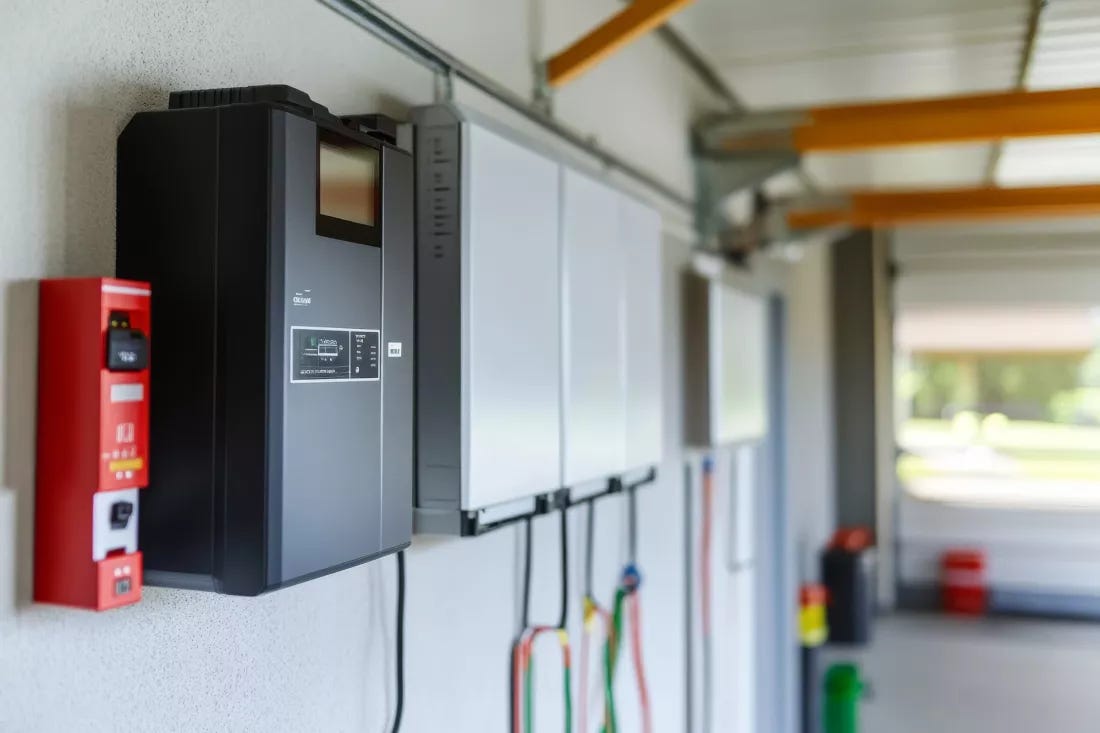
The big story here is that US homeowners installed a record 673 megawatts of battery storage in the first quarter of 2026. That is a huge sign that home energy is changing fast, especially as people look for backup power and better control over electricity costs. A lot of this push seems tied to state incentives and rising power bills, which makes batteries more appealing even without the same federal support people used to get for solar. This matters because home batteries are no longer just a niche tech toy. They are becoming part of normal household planning, especially in places like California and Hawaii where adoption is strongest. And once enough homes store power locally, it can change how the whole grid works, which is why utilities and energy planners are paying attention. For high school readers, the simple version is this: some homes are starting to act a little more like mini power stations.
Why smaller AI models may fit medicine better than giant ones
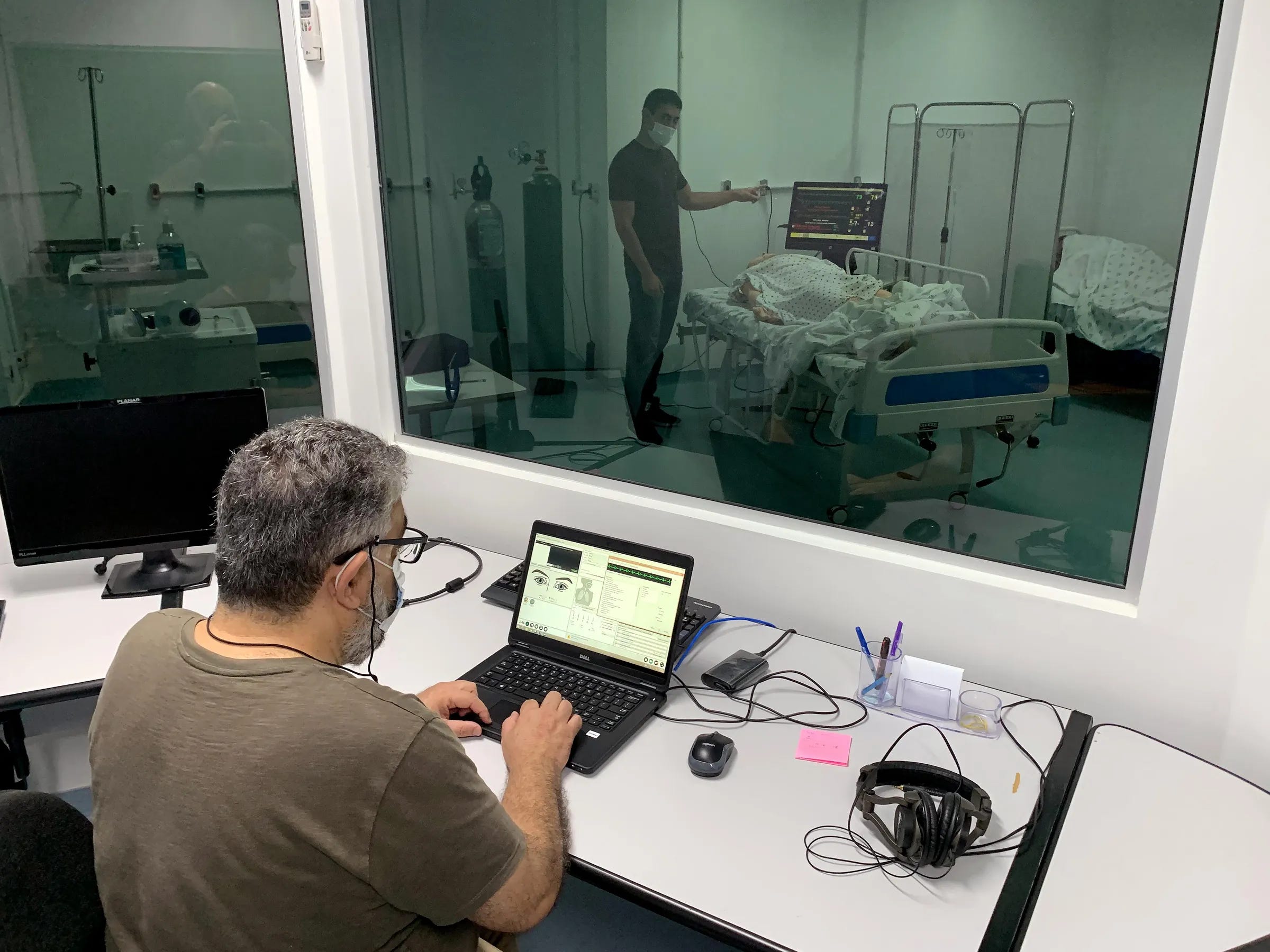
This piece focuses on small language models and how they can help in pharmaceuticals and health care. The core idea is that not every problem needs a giant AI system running in a huge data center. In places with weak internet, spotty electricity, or limited funding, smaller models on phones or low power devices can do useful jobs like checking medicines, spotting crop diseases, and helping with medical tests. That matters because health tools need to work in real life, not just in labs or fancy offices. A smaller model can be cheaper, faster, and easier to place where people actually need help. This also changes the way people think about AI progress. Bigger is not always better. Sometimes a focused tool that does one thing well is more useful than a massive system trying to do everything. For students, the takeaway is that AI is not only about chatbots. It can also be a practical tool in places where resources are tight.
Grok 4.5 pushes harder into coding and agent tasks
The new version of Grok 4.5 is being pitched as SpaceXAI’s strongest model yet, with a focus on coding and agentic tasks. The company says it was trained on a lot of Nvidia GB300 chips and built with heavy data filtering, deduping, and quality checks. What makes this worth watching is not just that it is “smarter,” but that it is being sold as faster and cheaper than some rivals, with pricing set at $2 per million input tokens and $6 per million output tokens. That matters because AI is becoming a business tool, not just a chatbot for chatting. If a model can help with coding jobs, workflow automation, and deeper knowledge tasks, companies will care a lot about speed and cost. The launch also shows how the AI race is turning into a mix of bragging rights and practical pricing. So the real question is not only how smart Grok 4.5 is, but whether it is good enough to be worth using every day.
A home robot that tries to make chores less awful
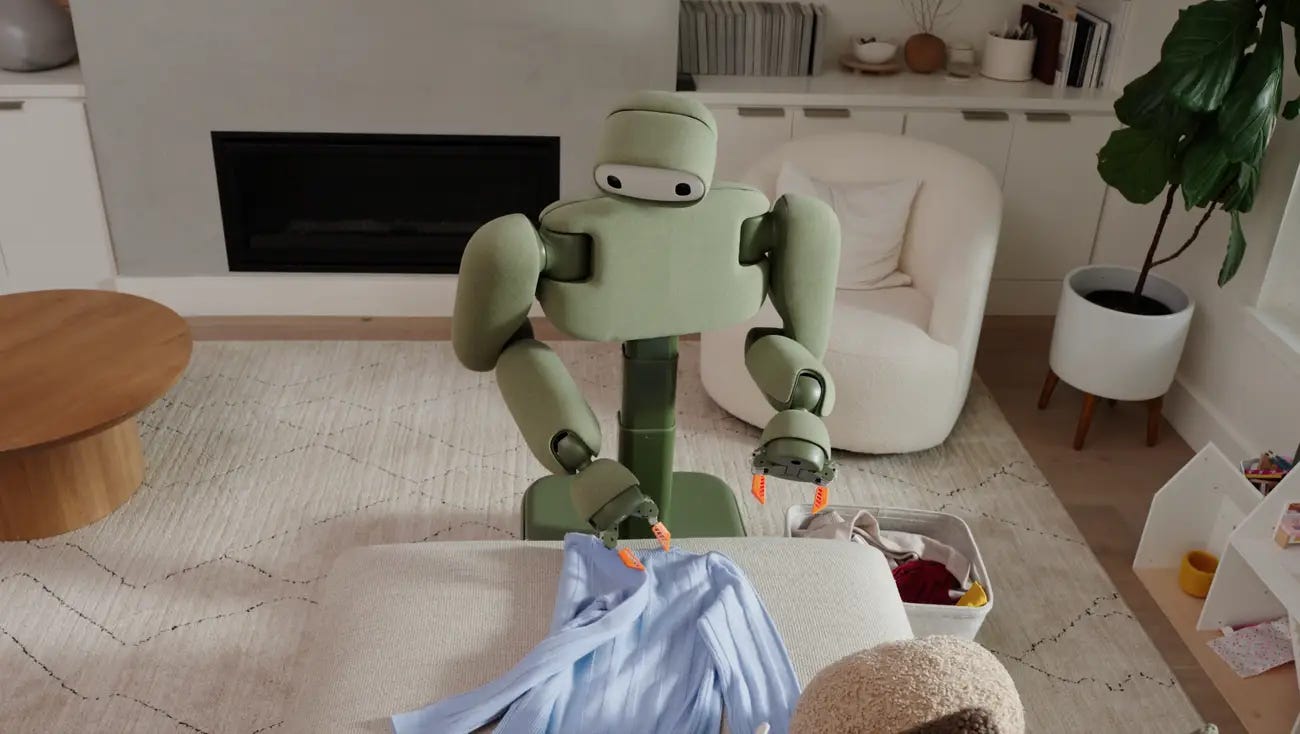
This story is about Isaac 1, a home robot from Weave Robotics that is made to handle chores like laundry, bed making, and tidying up. It is priced at $7,999 upfront or $449 a month, which puts it in serious luxury territory, not “everyone can buy this tomorrow” territory. Still, the bigger point is that home robots are moving from demo videos into actual preorder pages. That matters because the real test for robots is not whether they look cool, but whether they can do boring tasks in messy homes without falling apart. Weave says Isaac 1 can work autonomously by default, but can also use teleoperation when needed, which is a good sign that the company is being honest about current limits. In plain terms, this is a robot that is trying to be useful before it tries to be perfect. And that might be a smarter way to bring robots into real homes.